
Record Highs in US Gasoline and Diesel Prices Amid Ongoing Middle East Conflict
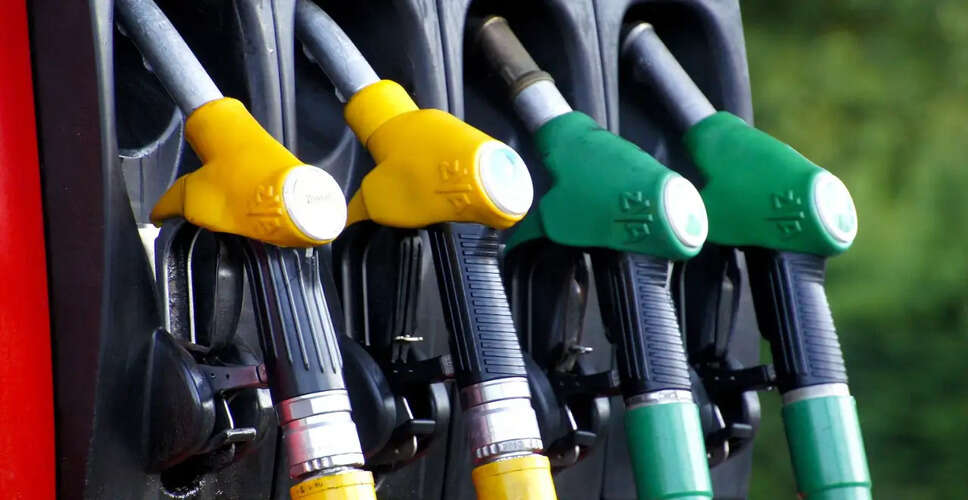

Surging Fuel Prices in the US
Gasoline and diesel prices in the United States have reached unprecedented seasonal highs, largely due to the ongoing conflict between the US and Iran, which is affecting global energy markets. As of mid-April 2026, the average cost of regular unleaded gasoline is reported to be around $4.12 to $4.16 per gallon, marking the highest level for April since 2022. This represents an increase of over a dollar from last month's average of approximately $3.09. Prices for gasoline can vary significantly across different states, with California experiencing some of the highest rates, exceeding $5.90 per gallon, while states like Alaska and Oregon report lower prices.
Diesel fuel prices have also seen a sharp rise, with current national averages hovering around $5.67 to $5.68, the highest since July 2022, reflecting a 60% increase compared to last year. The trucking and supply chain sectors are particularly affected, with some areas reporting diesel prices nearing or surpassing $7.00 per gallon.
The turmoil in the Middle East has been a major contributor to these escalating prices, as the conflict has severely disrupted oil shipments through the Strait of Hormuz, a crucial passage for about 20% of the world's oil trade. Despite a fragile ceasefire, uncertainty remains, leading refiners and retailers to hesitate in lowering prices until shipping routes are reliably restored and crude oil supplies stabilize. Currently, crude oil prices have surged above $100 per barrel, directly impacting consumer prices at the pump.
Seasonal factors are also at play, as the transition from more expensive summer blend gasoline to regular gasoline typically increases demand during the spring months. The economic ramifications are widespread, with rising fuel costs driving up transportation expenses, which in turn inflate grocery prices, shipping costs, and the prices of various everyday items. Airlines and logistics firms have begun implementing surcharges, while farmers are facing increased costs for fertilizers and equipment.
Economists caution that this phenomenon, termed "warflation," could exert additional pressure on inflation rates, which had been showing signs of cooling. For American families, the impact is immediate, with many drivers now spending an additional $50 to $80 to fill their tanks compared to early March. Truckers and small businesses that rely on diesel are either reducing their profit margins or passing these costs onto consumers.
Analysts anticipate that elevated gasoline prices may persist for several weeks or even months, contingent on the speed of oil production recovery in the Gulf. The International Energy Agency (IEA) is releasing strategic reserves, and the US has eased some sanctions on specific Russian and Venezuelan oil, along with temporarily suspending certain shipping regulations. However, these measures will take time to reflect at the gas stations.
This recent spike in gasoline prices mirrors the volatility seen after the 2022 invasion of Ukraine, but the rate of increase is occurring more rapidly. Although the US is a net oil exporter, its refineries along the coast rely on imported heavier crude oil, making it susceptible to global price fluctuations. Consequently, it remains uncertain how soon relief will be available for drivers at the gas pump. Experts recommend that consumers compare prices at various service stations and consider fuel-efficient options whenever feasible, as the situation in the Middle East continues to influence US gas prices.