
RBI's Stance Amid Iran Conflict: A Cautious Approach to Monetary Policy
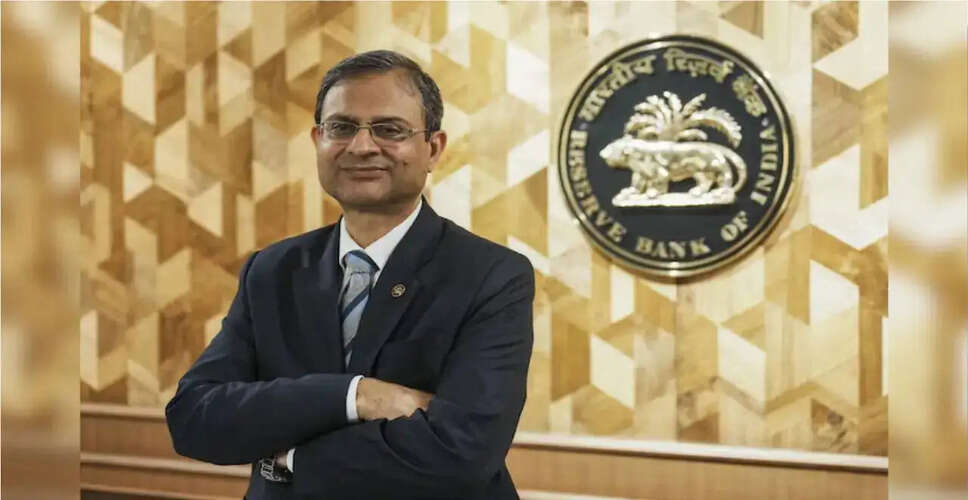

RBI Governor's Insights on Current Economic Climate
Sanjay Malhotra, the Governor of the Reserve Bank of India (RBI), has indicated that the central bank is currently adopting a "wait and watch" strategy in light of the ongoing conflict in Iran. He noted, "For the past few policy cycles, we have maintained a neutral position, allowing us the flexibility to adapt as inflation and growth dynamics change." Malhotra emphasized the significance of the crisis, stating that West Asia accounts for approximately one-sixth of India's exports, one-fifth of imports, half of crude oil imports, and nearly two-fifths of fertilizer imports, along with a substantial portion of inward remittances.
He explained that the appropriate monetary policy response to such supply shocks involves looking beyond the immediate effects, provided they do not trigger second-round impacts. The real concern lies in these second-round effects, which could arise if supply chain disruptions persist. In response to the Iran conflict, domestic oil and gas production is being increased, and efforts are underway to diversify import sources. Malhotra reassured that while there is no oil shortage due to maintained reserves, there is some rationing of gas for industrial use. He added that oil marketing companies and the government have managed to absorb some price pressures in oil, while passing on certain gas price increases to consumers.
Implications for Future Rate Cuts
Governor Malhotra further stated that during uncertain times, it is crucial to remain agile and flexible, maintaining a broad policy stance without making definitive commitments regarding future policy directions. "In such scenarios, our approach has been to rely more heavily on data and continuously evaluate the balance of risks," he remarked.
He warned that what starts as a supply shock could become ingrained in the overall price level, highlighting the essential role of monetary policy in managing inflation expectations rather than merely compressing demand. Previously, Union Finance Minister Nirmala Sitharaman mentioned that the RBI has the capacity to lower interest rates and provide targeted support to stressed sectors, even amidst a challenging global landscape. The last repo rate reduction by the RBI occurred on December 5, 2025, when it was cut by 25 basis points from 5.50% to 5.25%. Since then, the RBI has paused on further rate cuts, with the next Monetary Policy Committee (MPC) meeting scheduled for June.