
RBI's Intervention: Short-Term Gains or Long-Term Risks for the Rupee?

RBI's Recent Actions to Support the Rupee
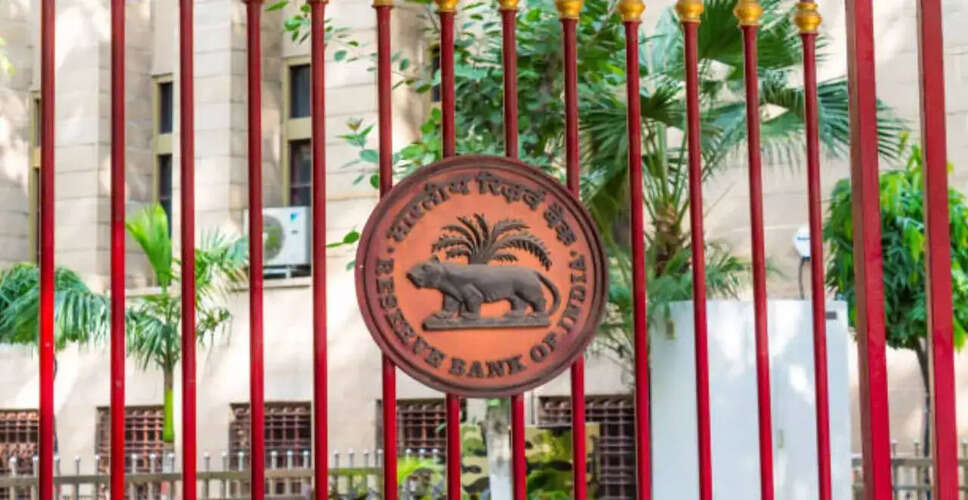
The Reserve Bank of India (RBI) has recently taken measures to counter the rapid depreciation of the rupee, resulting in a notable recovery of over 2%, bringing the currency to 92.66 against the dollar. However, these aggressive interventions have raised concerns among bankers, investors, and economists about potential negative repercussions. Amid escalating tensions related to Iran, the RBI instructed domestic banks to reverse their bearish positions in both onshore and offshore currency markets. This unexpected directive created confusion and caught many in the market off guard.
While the rupee has shown short-term strength, this rebound may come with significant costs. Estimates from Jefferies suggest that banks could incur losses amounting to hundreds of millions of dollars. Additionally, the cost of hedging has surged, complicating the ability of investors to safeguard their Indian investments. As a result, foreign investors have begun to decrease their stakes in Indian bonds.
Concerns Over Policy Direction
Market participants are increasingly worried that the RBI's heavy-handed tactics might convey a retreat from India's longstanding commitment to deeper integration with global financial markets. Following the challenging 'taper tantrum' of 2013, India had made significant strides in liberalizing its currency market, which ultimately bolstered the rupee's standing in international financial hubs like London and Singapore. The anticipated inclusion of India in JPMorgan's bond index in 2024 was viewed as a pivotal achievement in this journey.
Sanjay Guglani, Chief Investment Officer at Silverdale Capital, which manages around $1.5 billion, characterized the RBI's recent actions as 'discretionary.' He cautioned that such measures could elevate the threshold for rupee assets among offshore investors, potentially undermining long-term confidence. Economists at BofA Securities further asserted that these restrictions effectively 'break the link' that the RBI has meticulously established over the past decade between onshore and offshore markets.
Details of RBI's Measures
In late March, the RBI initially limited banks' daily currency positions in the domestic market to $100 million. As the rupee continued to weaken, these restrictions were expanded to offshore derivatives, effectively prohibiting banks from offering non-deliverable forwards (NDFs), which are commonly utilized by foreign investors to speculate on the rupee's movements. The intention behind these measures was to curb speculative short-selling and arbitrage trades that were exerting additional pressure on the currency. However, these abrupt changes have led to reduced liquidity and a noticeable disparity between onshore and offshore rupee rates.
Insights from Global Experiences
Past interventions by other emerging markets provide a mixed bag of outcomes. For instance, China's efforts to tighten offshore yuan liquidity from 2015 to 2017 temporarily stabilized the currency but also caused funding strains and unsettled global investors. Similarly, Malaysia's 2016 restrictions on offshore ringgit trading curtailed speculation but adversely affected market liquidity and tarnished its reputation.
RBI Governor Sanjay Malhotra attempted to reassure stakeholders on Wednesday, stating that these measures are temporary and do not indicate a shift in the central bank's long-term strategy for developing currency markets and internationalizing the rupee. Nonetheless, apprehensions persist. Soumya Kanti Ghosh, Chief Economic Adviser at the State Bank of India, cautioned that these actions could create a 'wedge' between offshore and onshore markets, potentially leading to a cycle of increased offshore premiums.
The Broader Context
The RBI's intervention in the currency market comes amid various pressures impacting the rupee's value. Factors such as rising tariffs from the United States, elevated oil prices due to Middle Eastern conflicts, and the strength of the US dollar have all contributed to the rupee's decline. As an oil-importing nation grappling with a significant current account deficit, India is particularly vulnerable to external shocks.
Currently, the rupee's value seems to have stabilized. However, the critical question remains whether these short-term strategies will deter the foreign investors that India needs for sustained growth. Experts suggest that the RBI must clearly communicate the duration of these measures and act swiftly to retract them; otherwise, India risks a long-term decline in foreign investor confidence.