
RBI Proposes New Safeguards to Combat Digital Payment Fraud

RBI's Discussion Paper on Digital Payment Security
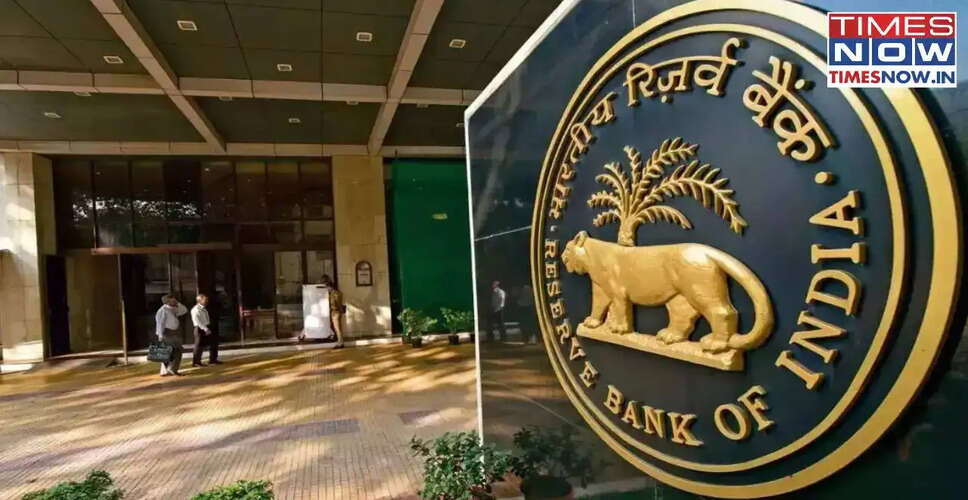
The Reserve Bank of India (RBI) has published a discussion paper that outlines various potential measures aimed at addressing the rise in digital payment fraud. Stakeholders are invited to provide their feedback on these proposed measures until May 8, 2026. A significant recommendation includes introducing a one-hour cooling-off period for transfers exceeding Rs 10,000. This would apply to individuals, sole proprietors, and partnership firms, which currently do not have a chargeback option for fraudulent transactions. The cooling-off period could be implemented at either the sender's or recipient's end, or both, depending on how it is rolled out.
The Rs 10,000 limit was selected based on data from the National Cyber Crime Reporting Portal, which indicates that such transactions represent nearly 45% of fraud cases by volume and a staggering 98.5% of the total monetary value involved.
Enhanced Protection for At-Risk Groups
The central bank is also focusing on protecting vulnerable populations, including senior citizens and individuals with disabilities. For transactions that exceed Rs 50,000, an additional verification step is proposed, which may involve obtaining approval from a trusted individual before the transaction is completed. This recommendation is supported by data showing that approximately 92% of fraud losses by value occur in transactions above this threshold, many of which are associated with impersonation and social engineering scams, highlighting the need for extra verification.
Another important element of the proposal is to give customers more control over their banking activities. Users may soon have the ability to enable or disable specific payment methods, set personalized transaction limits, and even activate a 'kill switch' to immediately halt all digital transactions. This emergency feature could be accessible through various channels, including mobile banking apps, online banking platforms, bank branches, and IVR systems, allowing for swift action in cases of suspected fraud.
Addressing Mule Accounts and Rising Fraud Rates
To combat the increasing misuse of bank accounts, often referred to as mule accounts, the RBI has proposed limiting annual credits to Rs 25 lakh for accounts that have not undergone enhanced due diligence. Accounts that require higher transaction limits would need to provide additional verification regarding their business activities and funding sources.
These initiatives come in response to a significant increase in both digital payments and fraud incidents. Over the last decade, digital transactions have grown at a compound annual growth rate of 53%. Concurrently, reported fraud cases have surged from 2.6 lakh in 2021 to 28 lakh in 2025, with the total value involved skyrocketing from Rs 551 crore to nearly Rs 22,931 crore.