
RBI Maintains Repo Rate Amid Global Economic Uncertainties
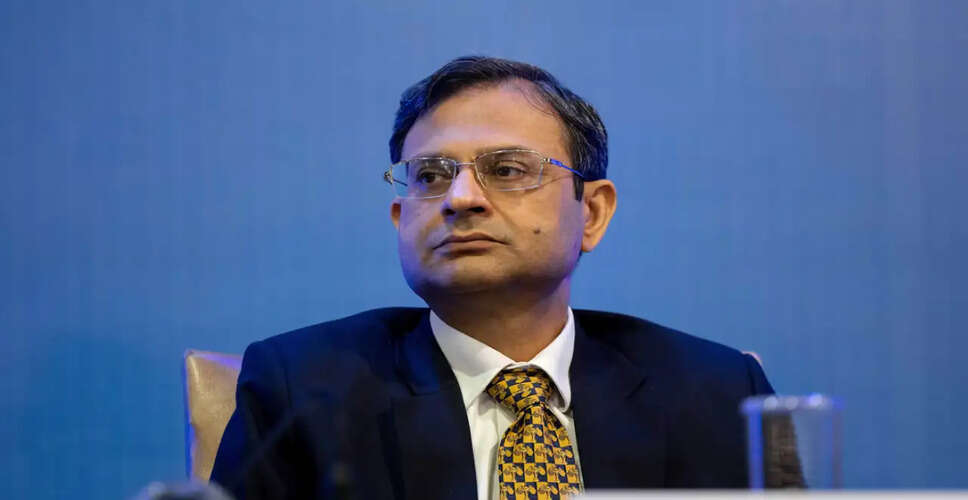

RBI's Decision on Repo Rate
On Friday, the Reserve Bank of India (RBI) decided to keep the benchmark repo rate steady at 5.25 percent, reflecting a cautious approach due to rising tensions in West Asia that are contributing to inflationary pressures, energy price fluctuations, and overall economic uncertainty. During the recent Monetary Policy Committee (MPC) meeting, RBI Governor Sanjay Malhotra announced that all six members unanimously agreed to maintain the current policy rates. The committee also confirmed its 'neutral' stance on monetary policy, allowing for adjustments based on changing economic conditions. Malhotra noted, 'The global environment has deteriorated,' emphasizing the need for vigilance.
This decision follows a similar stance taken in the last policy review, where the central bank opted to pause any rate changes while evaluating the effects of geopolitical events on the domestic economy.
Key Takeaways from the RBI MPC Meeting
Repo Rate Held Steady: With inflationary risks re-emerging and global uncertainties increasing, the RBI chose not to alter its key policy rates. The benchmark repo rate remains at 5.25 percent, while the Standing Deposit Facility (SDF) rate is set at 5.00 percent. The Marginal Standing Facility (MSF) rate and Bank Rate are both at 5.50 percent. This decision reflects concerns that fluctuations in global commodity markets, especially crude oil, could jeopardize price stability and economic growth in the near future.
Growth Projections Adjusted for FY27: While keeping interest rates unchanged, the RBI has revised its economic growth forecast downward for the financial year 2026-27. The central bank now anticipates India's GDP growth to be 6.6 percent, a decrease from the previous estimate of 6.9 percent. This adjustment is attributed to worries about escalating oil prices, supply chain disruptions due to geopolitical tensions, and weather-related uncertainties that may hinder economic performance. The updated projections indicate GDP growth of 6.6 percent in Q1, 6.3 percent in Q2, 6.5 percent in Q3, and 6.8 percent in Q4 of FY27.
Inflation Forecast Becomes More Concerning: The RBI has also increased its inflation forecast for FY27, citing the impact of rising commodity prices and geopolitical risks. Consumer price inflation is now expected to average 5.1 percent for the financial year, up from the earlier estimate of 4.6 percent. For individual quarters, the MPC anticipates inflation to average 4.2 percent in Q1, rising to 5.1 percent in Q2, and further climbing to 5.9 percent in both Q3 and Q4. The central bank has indicated that risks to the inflation outlook remain balanced, while closely monitoring global developments.
Concerns Over West Asia Conflict: Governor Malhotra emphasized that despite India's relatively strong position amid global uncertainties, it is crucial to strengthen defenses against external shocks. He stated, 'It is essential to not only confront these challenges but also to view them as opportunities to enhance our resilience.' He highlighted the ongoing conflict in West Asia, increasing energy costs, and disruptions in international supply chains as significant risks to the global economy. Additionally, he pointed out the contrasting trends in global financial markets, where equity markets are buoyed by optimism surrounding AI-driven growth, while bond markets face pressure from renewed inflation concerns and rising government debt levels.