
RBI Introduces New Framework for E-Mandates to Streamline Recurring Payments
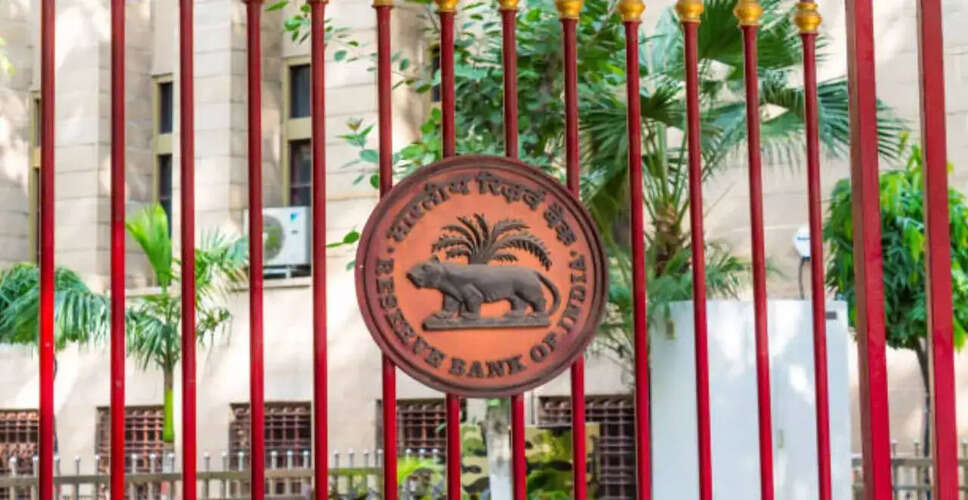

RBI's New E-Mandate Framework
The Reserve Bank of India (RBI) has launched a comprehensive framework for electronic mandates that govern recurring digital payments, significantly altering the auto-debit process nationwide. This updated system permits transactions up to Rs 15,000 to be processed without the need for additional authentication methods like OTPs, thereby simplifying regular payments for users. Customers can now register for an e-mandate with a one-time additional factor authentication (AFA). Once this registration is completed, all recurring payments within the Rs 15,000 limit will be executed automatically, removing the necessity for repeated verification. However, transactions exceeding this threshold will still require authentication, adding an extra layer of security for larger debits.
Streamlined Approach for Recurring Payments
This new framework replaces previous guidelines, creating a standardized method for managing recurring transactions across different payment platforms. This initiative is anticipated to enhance the efficiency of payments related to subscriptions, utility bills, and EMIs. Furthermore, the RBI has expanded the scope of e-mandates to encompass cross-border recurring transactions, marking a significant development beyond domestic payments. Another important change is that banks are prohibited from charging additional fees to customers for utilizing the e-mandate service.
While the Rs 15,000 limit remains the standard, the central bank has made exceptions for specific categories. Recurring payments for insurance premiums, mutual fund investments, and credit card bills can reach up to Rs 1 lakh without requiring AFA, as long as they are registered under valid e-mandates. These exceptions reflect the higher value and essential nature of these payments.
Enhanced Alerts and Consumer Protection
To boost transparency, the RBI has mandated that customers receive notifications at least 24 hours prior to any debit transaction. These alerts will provide essential information such as the merchant's name, transaction amount, and debit date, allowing users to review and cancel mandates if needed. Additionally, post-transaction alerts and formal grievance redressal mechanisms are now mandatory. Customers have increased control over their mandates, with the ability to modify, pause, or revoke them at any time using AFA. For variable payments, users can set upper limits to avoid unexpected deductions.
To further enhance consumer protection, the RBI has extended its zero-liability policy for unauthorized electronic transactions to e-mandates, provided that issues are reported promptly. The central bank has also stated that customers should have the option to choose how they receive transaction alerts, including via SMS, email, and other available methods.