
RBI Increases Investment Limits for NRIs and OCIs in Indian Stock Market
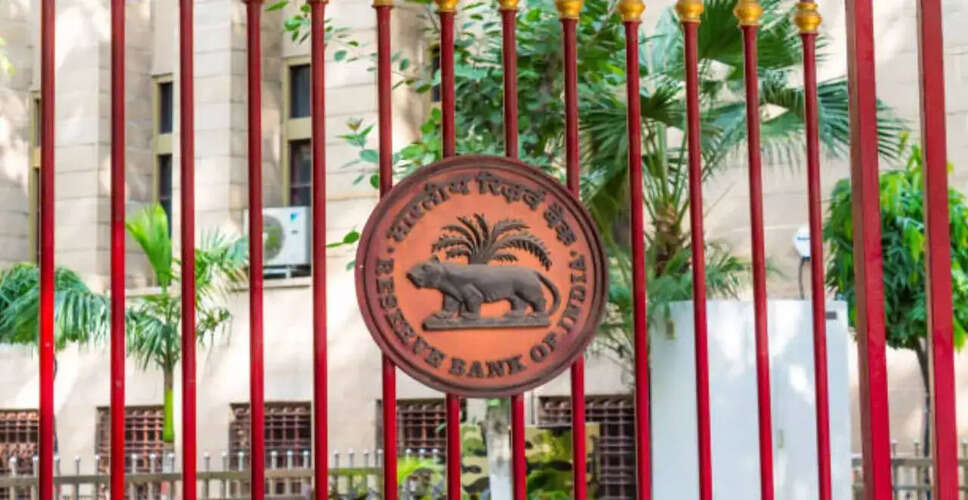

RBI's New Investment Guidelines for NRIs and OCIs
The Reserve Bank of India (RBI) has announced an increase in the investment limits for Non-Resident Indians (NRIs) and Overseas Citizens of India (OCIs) in equity instruments within the stock market. This strategic decision is aimed at enhancing investment opportunities for NRIs and OCIs, thereby boosting their access to the Indian market.
RBI Governor Sanjay Malhotra revealed that the individual investment cap for listed Indian equity instruments, which previously required SEBI registration, will rise from 5% to 10%. Additionally, the overall investment limit will increase from 10% to 24%.
Senior Economist Mitali Nikore commented on the RBI's initiative, stating that the central bank is implementing various measures to attract investments from NRIs and OCIs while ensuring the safety of these investments in India. She noted that outflows of foreign capital can significantly affect forex reserves and exchange rates. The RBI is actively addressing these concerns and has introduced new strategies to draw foreign capital, particularly from NRIs and OCIs.
Despite these positive changes, Nikore highlighted the economic challenges both in India and globally. She pointed out that the GDP growth forecast has been adjusted from 6.9% to 6.6%, and inflation is expected to rise to 5.1%, nearly double the rate from the previous year, which was 2.5%. Furthermore, she emphasized the recent outflow of $14 billion in foreign investments over the past few months, prompting the need for these fresh measures.