
RBI Imposes New Loan Limits for Share Purchases and Acquisition Financing
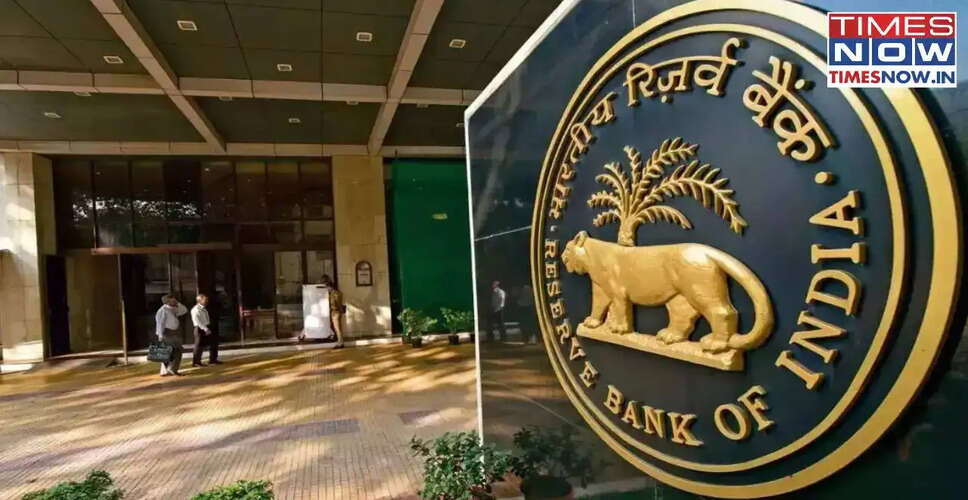
New Loan Caps Announced by RBI
The Reserve Bank of India (RBI) has set new limits on loans for individuals looking to buy shares and other qualifying securities, capping the amount at Rs 1 crore per borrower across the banking sector. Furthermore, the central bank has established a limit of Rs 25 lakhs for borrowing aimed at subscribing to shares through initial public offerings (IPOs), follow-on offers, or employee stock option plans (ESOPs). Previously, the RBI had proposed raising the cap from Rs 20 lakh to Rs 1 crore. However, it continues to enforce stricter regulations in areas susceptible to speculative trading.
Loans for shares, IPO financing, and ESOP funding have been popular for short-term market investments. By implementing these system-wide limits, the RBI aims to curb excessive borrowing during bullish market conditions, thereby minimizing the risk of abrupt sell-offs if market conditions become unstable. These restrictions also serve to mitigate systemic risk, as large exposures taken by borrowers across various banks can create concentrated vulnerabilities. In the event of a market decline, this interconnectedness could lead to simultaneous stress among lenders.
Revised Rules for Acquisition Financing
In a related update, the RBI has clarified that banks are required to obtain a corporate guarantee from the acquiring entity when financing transactions that are conducted through subsidiaries or special purpose vehicles. This initiative aims to enhance accountability and bolster credit protections. Additionally, the definition of acquisition financing has been expanded to encompass mergers and amalgamations. However, lending in this category will only be allowed if the transaction results in the control of a non-financial target company.
The updated guidelines are part of changes to capital market exposure regulations, which were initially set to be implemented on April 1. Following input from banks, intermediaries, and industry representatives who raised concerns about operational and interpretational difficulties, the RBI has postponed the implementation date to July 1.