
RBI Governor Warns of Inflation Spike Due to Rising Fuel Prices

Impact of Fuel Price Hikes on Inflation
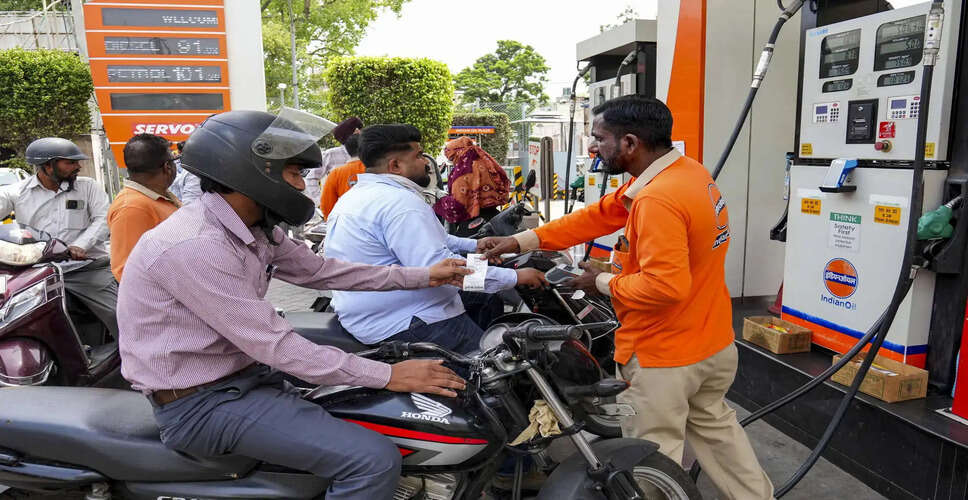
During the recent announcement regarding the Monetary Policy Committee (MPC) meeting, Sanjay Malhotra, the Governor of the Reserve Bank of India (RBI), cautioned that the increase in petrol and diesel prices observed in May is expected to elevate household expenses, which will soon be reflected in the Consumer Price Index (CPI) inflation. He noted that retail fuel prices have surged by 7.4% for petrol and 8.4% for diesel, leading to an estimated direct impact of approximately 36 basis points on overall inflation. This, along with secondary effects, is anticipated to influence CPI inflation in the upcoming months.
Malhotra further elaborated on inflation trends, indicating that core inflation, which excludes food and fuel, has remained stable at 3.7% from January to April. He pointed out that when excluding precious metals, core inflation is significantly lower, ranging between 2.1% and 2.2%. This suggests that the pressures on input costs, as evidenced by a notable rise in the Wholesale Price Index (WPI) in April, have not yet fully impacted the CPI.
Looking forward, he expressed concerns that high energy prices and ongoing supply chain disruptions could hinder economic activity. Although efforts to diversify imports of affected commodities have improved supply, they come at a higher cost. The overall impact will depend on the duration of the ongoing conflict, the time required for supply chains to normalize, and how the burden is shared among stakeholders.
Since the beginning of the conflict in Iran, fuel prices have risen by nearly Rs 7.5 per litre, with the latest increase pushing petrol prices above the Rs 100 mark in all four major metropolitan areas. The government has raised fuel prices to mitigate losses stemming from escalating crude oil prices, with the first increase occurring on May 15, amounting to Rs 3 per litre.
Additionally, the RBI Governor noted that the persistent high energy prices, combined with global supply constraints, are negatively impacting economic activity. While domestic demand remains strong and both the manufacturing and services sectors are expanding, there are early signs of a slowdown in certain areas, as indicated by high-frequency economic indicators.