
RBI Expected to Maintain Interest Rates Amid Global Economic Challenges
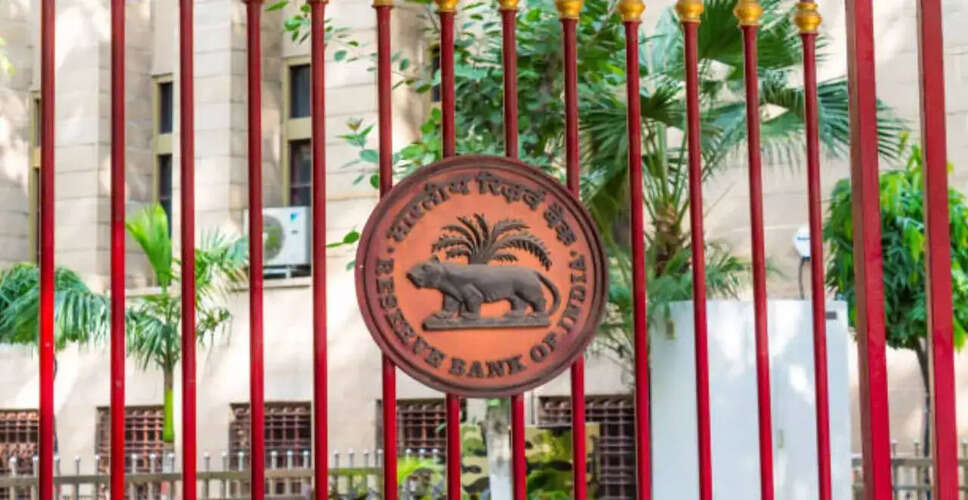
RBI's Upcoming Monetary Policy Meeting
The Reserve Bank of India (RBI) is anticipated to keep interest rates unchanged during its Monetary Policy Committee (MPC) meeting scheduled for Wednesday. This meeting marks the first since the onset of the Iran War. The RBI faces several challenges, including a depreciating rupee, which has recently reached 95 per dollar, and concerns over rising inflation driven by increased crude oil prices due to disruptions in the Strait of Hormuz.
With global oil prices elevated and Brent crude trading above $110 per barrel, these factors pose significant hurdles for the RBI. Economists predict that the MPC will maintain the interest rate at 5.25 percent. Aditi Nayar, Chief Economist at ICRA, noted, “Given the uncertainty surrounding crude oil prices and geopolitical events, the RBI is likely to adopt a cautious approach in the April policy, closely monitoring inflation data before making any decisions.”
Madan Sabnavis, Chief Economist at Bank of Baroda, echoed this sentiment, stating, “We do not foresee any changes in the repo rate or stance at this meeting. The tone will be cautious, focusing on the RBI’s GDP and inflation projections.” Recently, the yield on 10-year government bonds has surpassed 7 percent, reflecting pressures from global influences and expectations of tighter financial conditions. These yields provide insight into how debt markets perceive the RBI's policy stance.
Despite retail inflation nearing the RBI’s medium-term target of 4 percent, economists believe the RBI will remain vigilant due to evolving global risks.
Impact on Home Loans
Changes in the repo rate directly affect home loans. An increase in the repo rate raises banks' borrowing costs, resulting in higher EMIs or extended loan tenures for borrowers. Conversely, a rate cut typically leads banks to lower their rates, making loans more affordable.
A pause in the repo rate suggests that borrowers will not see immediate relief in their EMIs. With the RBI maintaining current rates, borrowers may need to continue managing their loans at existing interest levels. Additionally, banks are likely to be cautious in passing on any minor benefits due to tight liquidity and high funding costs.