
RBI Expected to Continue Rate Hikes Amid Inflation Concerns

Monetary Policy Outlook
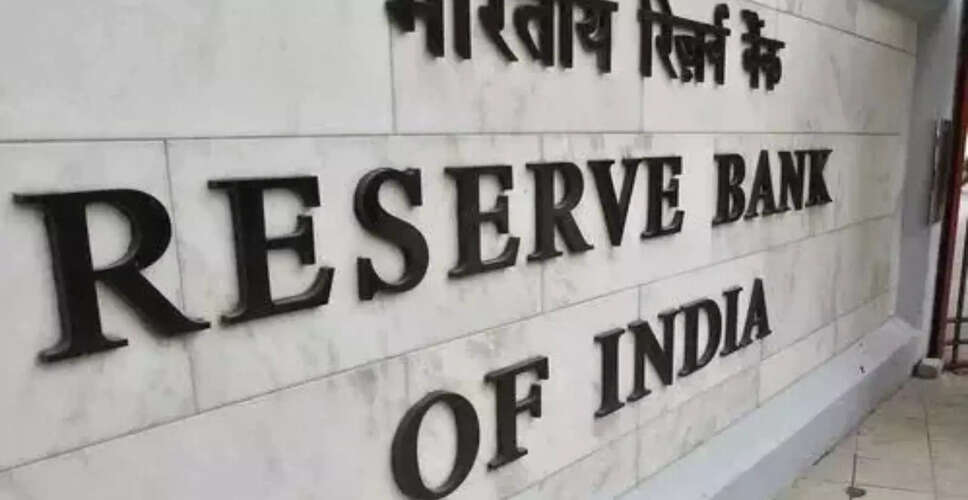
Representational Image
New Delhi, Oct 13: The Reserve Bank of India (RBI) is anticipated to maintain its tightening stance throughout the first half of FY28, with projections indicating a potential increase in the repo rate by approximately 75 basis points, as reported by prominent brokerages.
As per insights from a financial report, major global brokerages such as BofA, Goldman Sachs, and UBS have highlighted that escalating tensions in the Middle East, disruptions in energy supplies, and the intensifying effects of El Niño could lead to a rise in the Consumer Price Index (CPI).
BofA and UBS predict that the central bank will continue to tighten its monetary policy, forecasting a 75-basis-point hike in the repo rate during the Monetary Policy Committee (MPC) meetings planned for FY27, extending into the first half of fiscal 2028.
UBS has also estimated that the average headline inflation for the full fiscal year 2027 will hover around 5.2 percent, with expectations that it may exceed 5 percent during the first half of FY28 due to adverse weather conditions.
According to their global strategy team, historical data indicates that the effects of significant weather disruptions typically manifest with a delay of 6 to 18 months. With the peak expected between November and February, the most substantial impact on global food prices may be observed in 2027 and early 2028, which could pose additional risks to the inflation outlook.
Furthermore, they noted potential upward risks following a surge in India's consumer inflation, which reached a 23-month high in September, primarily driven by rising food prices.
The report revealed that the headline CPI inflation rose to 5.54 percent in September, up from 4.8 percent in August, largely due to increased prices of food and vegetables.
Food inflation specifically surged to 7.74 percent in September, compared to 5.97 percent in August, while inflation for food and beverages increased to 7.36 percent from 5.66 percent.
Notably, the inflation rise was more significant in rural regions, where consumer inflation reached 6.08 percent in September, in contrast to 4.88 percent in urban areas.
The CPI (General) index for the combined category rose to 109.49 in September from 108.74 in August. Similarly, the combined CFPI index increased to 112.17 from 110.73 during the same timeframe.