
PM Modi's Call to Curb Gold Purchases Amid Economic Challenges

Economic Priorities Amid Global Crisis
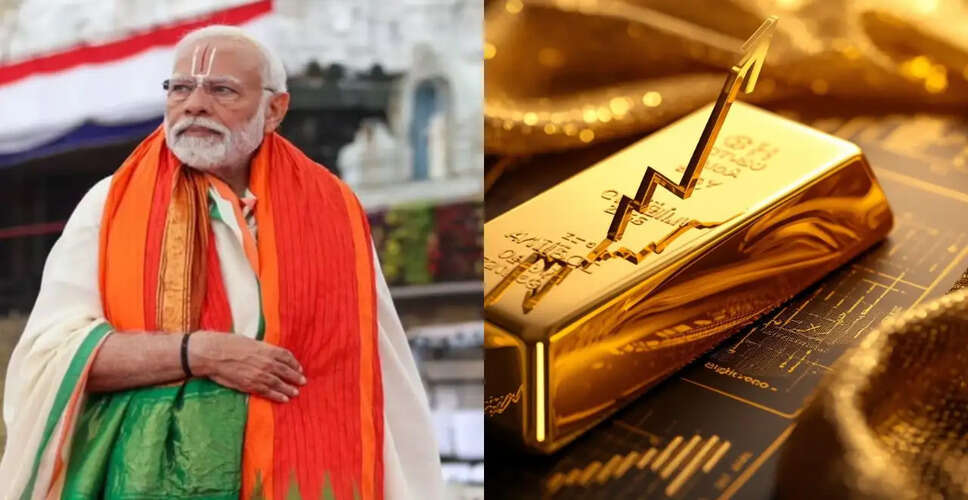
Prime Minister Narendra Modi has recently urged citizens to refrain from purchasing gold for a year, delay foreign travel, and maintain work-from-home arrangements where feasible. This appeal has ignited a nationwide dialogue regarding economic priorities in light of a global crisis. The backdrop of this message is the ongoing conflict in Iran, which has led to a significant rise in crude oil prices, a depreciation of the rupee, and increased strain on India's foreign exchange reserves. Essentially, the government aims to minimize unnecessary dollar outflows and conserve foreign currency for essential imports like crude oil and vital commodities.
As per Trading Economics, India's foreign exchange reserves are currently around $690.69 billion. These reserves had peaked at nearly $728 billion in February but fell in April due to escalating global uncertainties and volatility in energy markets. Concurrently, the International Monetary Fund (IMF) projects that India's current account deficit may expand to $84.5 billion by 2026, which would represent nearly 2% of the GDP. A widening deficit indicates that the nation is spending significantly more on imports than it earns from exports and investments.
Concerns Over Gold Imports
Gold imports constitute a substantial portion of India's import expenditure. In FY26, the country imported approximately $72 billion worth of gold, reflecting a notable 24% increase from the previous year. India is the second-largest gold consumer globally, with nearly all purchases made in US dollars.
The overall import scenario underscores the pressure even more starkly. India's total import expenditure for FY26 reached around $775 billion, with four major commodities alone accounting for over $240 billion. Crude oil imports amounted to $134.7 billion, followed by gold at $72 billion, vegetable oils at $19.5 billion, and fertilizers at $14.5 billion. Collectively, these categories represented more than 31% of India's total imports, with gold alone making up nearly 10% of the total bill.
Economists suggest that a significant decline in gold demand could alleviate some pressure on India's foreign exchange reserves. Projections indicate that if gold imports decrease by 30-40% for a year, India could save around $20-25 billion in dollar outflows. A 50% reduction could potentially save about $36 billion, nearly half of the anticipated current account deficit.
Impact of the Iran Conflict on Oil Prices and the Rupee
The ongoing conflict in Iran has heightened concerns due to disruptions in the Strait of Hormuz, a critical oil shipping route. Crude oil prices have surged past $100 per barrel, raising fears of sustained inflation and sluggish economic growth. India imports nearly 88% of its oil needs, making it particularly susceptible to rising global crude prices.
Moreover, gold often attracts investors during geopolitical crises as it is perceived as a safe-haven asset. As global uncertainties increase, gold prices tend to rise, leading to higher imports. This situation poses a dual challenge for India: escalating oil import costs and increased gold purchases, both of which elevate dollar demand and weaken the rupee. However, a reduction in gold buying could alleviate some pressure on the currency market by decreasing dollar demand and easing the strain on RBI reserves.
Market analysts are advising investors to pivot from physical gold purchases to financial instruments that do not contribute to import pressure. Abhishek Bhilwaria, a mutual fund distributor registered with AMFI, suggests investment avenues like SIPs and Gold ETFs instead of jewelry or bullion. These options allow individuals to benefit from gold price fluctuations while keeping capital within the domestic financial framework.
Meanwhile, Gaurav Garg from Lemonn Markets Desk noted that gold prices have recently softened even as crude oil prices have surged. He pointed out that inflation concerns and interest rate expectations have limited gold's price rally despite the heightened geopolitical tensions.
Additionally, PM Modi's comments have sparked discussions across various industries related to discretionary spending.