
PM Modi's Call to Curb Gold Purchases: A Political and Economic Balancing Act

Introduction
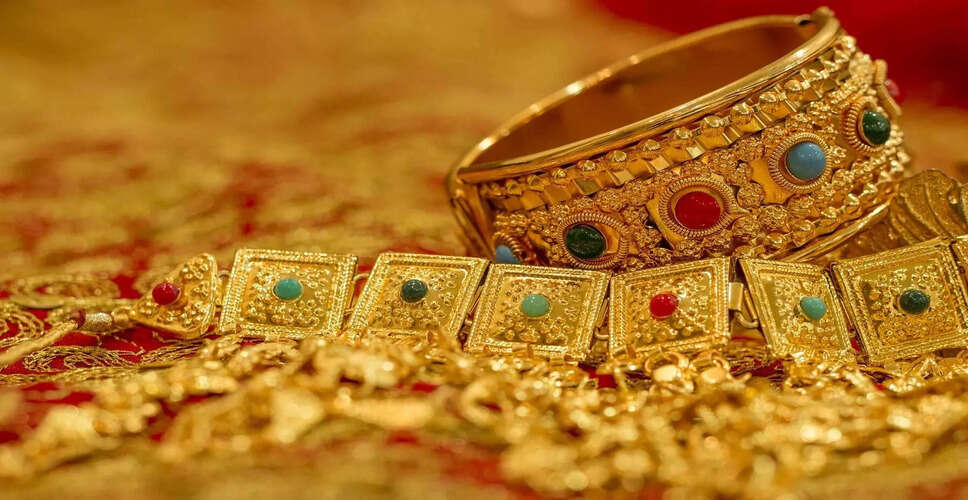
Representational Image
New Delhi: Urging citizens to refrain from buying gold ahead of the festive season poses significant political challenges. In India, gold transcends mere commodity status; it symbolizes savings, serves as an intergenerational asset, and is deeply woven into cultural practices. Prime Minister Narendra Modi's public request to limit gold purchases highlights the tension between managing the import bill and the entrenched buying habits of the populace, alongside the interests of the local jewellery sector.
Political Context
The upcoming electoral calendar adds a layer of complexity, with elections scheduled in Uttar Pradesh, Uttarakhand, Himachal Pradesh, and Punjab next year. The domestic gold market includes merchant communities that have historically supported the BJP.
Economic Implications
A significant drop in gold purchases could negatively impact jewellery sales and create unrest among this voter base before the elections. Modi's appeal indicates a readiness to convey a challenging economic message, though its political ramifications will depend on consumer reactions and the jewellery sector's response.
The rising bullion import bill amid global uncertainties is a pressing economic concern. Increased international gold prices have escalated the costs associated with meeting Indian demand, despite a decline in import volumes. Reports indicate that India's gold imports surged over 24% to a record high of $58.98 billion in 2025–26, even as the volume decreased by nearly 4.8% to around 721 tonnes.
While India purchased less physical gold, the financial outlay increased significantly. Gold imports contribute to the demand for foreign currency, and a spike in festive buying could exacerbate the trade deficit, potentially putting additional pressure on the rupee.
Cultural and Economic Challenges
However, viewing PM Modi's appeal solely as a reaction to global gold prices lacks context. It also highlights the government's limited success in reducing reliance on imported crude oil, with previous goals proving challenging to achieve.
With little room to cut essential oil imports without hindering economic activity, discretionary imports become a more feasible target. Gold is a prime candidate, yet limiting purchases will not address the fundamental dependence on imported energy.
Moreover, not all gold purchases are easily postponed by households. For many, gold serves as a savings mechanism and a source of financial security, complicating efforts to influence demand through calls for restraint.
Mobilizing Domestic Gold Holdings
Reducing gold imports necessitates more than a Prime Ministerial request; it requires effective strategies to circulate existing domestic gold holdings and provide alternatives for those investing in gold. Indian households and religious institutions are estimated to possess between 20,000 to 25,000 tonnes of physical gold, representing significant wealth that largely remains outside formal financial systems. Attempts to mobilize this gold have seen limited success.
The Gold Monetisation Scheme struggled to attract household gold, as families are often hesitant to melt down ancestral jewellery for interest. Sovereign Gold Bonds offered an investment alternative but could not replace jewellery intended for personal use, gifting, or inheritance.
The Complexity of Gold Demand
This distinction is crucial. A financial investment linked to gold and a family heirloom fulfill different roles. The challenge lies not only in the failure of policy to convert physical gold into a financial asset but also in the inability of financial products to fully substitute the cultural and practical significance of jewellery.
Without addressing these nuances, efforts to shift demand away from physical gold will face limitations.
Historical Precedents
There are instances where PM Modi has made decisions that disrupted established interests, including segments of his own support base. However, drawing parallels between the gold appeal and structural reforms requires caution.
As Gujarat's Chief Minister, he initiated the Jyotigram Yojana, which separated agricultural power feeders from those serving other rural consumers. This program faced pushback from parts of the farming community but transformed rural electricity supply.
As Prime Minister, his administration introduced the Goods and Services Tax to create a unified national market, which brought significant adjustment and compliance costs, particularly for smaller businesses and traders traditionally aligned with the BJP.
The Insolvency and Bankruptcy Code similarly challenged established business owners by providing creditors with a framework to resolve defaulting companies, potentially displacing existing proprietors. Its implementation has also revealed shortcomings that require further reform.
Conclusion
These measures have altered institutions, rules, and incentives. In contrast, a plea to avoid gold purchases relies on voluntary restraint. While it may indicate a willingness to challenge established preferences, it does not equate to changes in taxation, credit regulations, or the organization of essential services.
The economic impact will hinge on whether households modify their purchasing behavior. The intention to alleviate external pressures is evident; however, the scale and sustainability of the response remain uncertain.
PM Modi's appeal to limit gold purchases is distinct from previous disruptive interventions, as it does not impose an immediate policy change but rather encourages consumers to consider the national economic implications of their purchases. Whether this argument can outweigh traditional values, savings, and anticipated returns is still unclear.
The immediate risk is that some households may postpone purchases without triggering a broader backlash from the jewellery sector. Even so, deferred purchases may eventually return, limiting the long-term impact on imports.
PM Modi's intervention brings the foreign-exchange cost of gold into public discourse. However, the true test lies not in the boldness of the appeal but in its ability to alter demand and whether policy can offer credible savings alternatives while effectively utilizing the gold already held in India. Any political gains that may arise would be a separate consideration.