
PM Modi Urges Citizens to Delay Gold Purchases Amid Economic Challenges

Prime Minister's Call for Economic Restraint
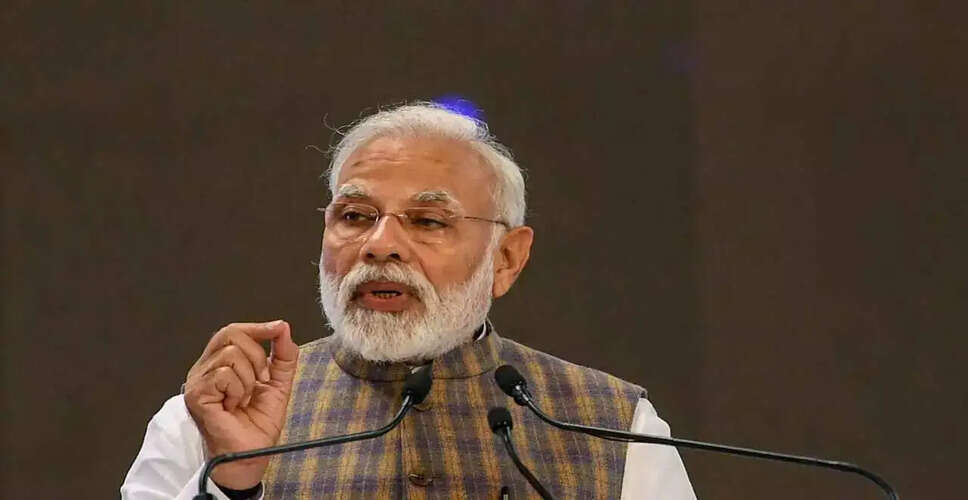
In light of the ongoing crisis in the Middle East, Prime Minister Narendra Modi has made a significant appeal to the public to refrain from unnecessary gold purchases for the next year. This request is part of broader measures aimed at conserving foreign exchange reserves, which also include limiting non-essential foreign travel and extravagant weddings abroad. During a BJP rally in Hyderabad, PM Modi emphasized that reducing imports is crucial for maintaining India's economic stability amidst rising global prices driven by international conflicts.
Expert Opinions on Gold Purchase Delay
What Experts Say
Experts suggest that the government's message is primarily aimed at encouraging temporary restraint in imports to preserve macroeconomic stability, rather than indicating a negative view on gold ownership. Jateen Trivedi, Vice President of Research at LKP Securities, noted that PM Modi's comments should be interpreted through the lens of India's economic stability and import management. As one of the largest gold importers globally, India's high gold imports during times of elevated crude oil prices and global uncertainty can exacerbate the trade deficit and pressure the rupee.
Trivedi highlighted the importance of the timing of this statement, given the current geopolitical tensions and rising import costs. He explained that gold imports necessitate significant foreign currency outflows, particularly in dollars, which is critical as policymakers strive to stabilize the rupee and mitigate external sector risks. While this appeal may not drastically alter long-term gold demand in India, it could slow discretionary purchases, especially in the jewelry sector, and foster a cautious sentiment in bullion and jewelry markets.
From a pricing perspective, gold remains highly responsive to global macroeconomic developments. A surge in gold prices could occur if geopolitical tensions escalate, crude prices remain high, central banks consider rate cuts, or the dollar weakens significantly. Conversely, gold prices may see corrections if the US Federal Reserve maintains a prolonged high-interest rate policy, geopolitical tensions ease, crude prices decline, or institutional investments wane.
Market Reactions and Political Responses
Manav Modi, a commodities analyst at Motilal Oswal Financial Services, reported that gold prices dipped in early trading after a week of gains, influenced by a strong dollar and high oil prices following President Trump's rejection of Iran's response to a US-backed peace proposal. Despite a more than 2% increase in bullion prices last week due to hopes for progress in US-Iran negotiations, caution returned after Trump's remarks revived concerns about stalled talks and ongoing tensions in the Strait of Hormuz.
In a critical response, Congress leader Rahul Gandhi accused PM Modi of demonstrating failure through his appeal for sacrifices, which included suggestions to limit gold purchases, foreign travel, and fuel consumption. Gandhi's comments were made in a post on social media, where he highlighted the various sacrifices Modi suggested, including using public transport and working from home.
PM Modi reiterated the need for citizens to conserve foreign exchange by adopting practices that became common during the COVID-19 pandemic, such as virtual meetings and remote work. He urged the public to postpone gold purchases and foreign travel for a year while also advocating for reduced consumption of edible oils and chemical fertilizers.
Gold prices recently surged above $4,720 per ounce, marking their highest level since April 22, with expectations of a potential US-Iran peace agreement alleviating concerns about persistent inflation and prolonged high-interest rates. Despite recent tensions, Iran has indicated that the situation has stabilized, and President Trump confirmed that the ceasefire remains intact.