
Petrol and Diesel Prices Surge Again in India: What You Need to Know

Fuel Prices Hit New Highs
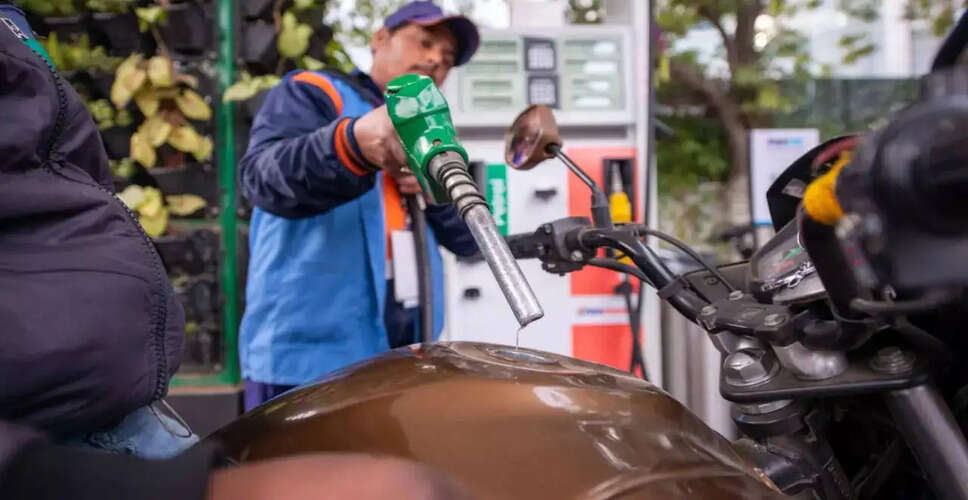
India has experienced its fourth consecutive increase in petrol and diesel prices on Monday, with a total rise of nearly Rs 7.5 per litre in less than two weeks. This latest adjustment has pushed petrol prices beyond the Rs 100 threshold in all four major metropolitan areas. Following the conflict in Iran on February 28, the government has raised fuel prices to mitigate losses stemming from escalating crude oil costs. The first price hike occurred on May 15, with an increase of Rs 3 per litre, followed by a 90 paise rise on May 19, and another increase on Saturday. Although the price differences may seem minor, they accumulate quickly for daily commuters.
In Delhi, petrol is priced at Rs 102.12 per litre, while in Mumbai, it stands at Rs 111.21, Kolkata at Rs 113.51, and Chennai at Rs 107.77.
Factors Influencing Fuel Price Variations
Why Fuel Prices Differ Across States?
Petrol and diesel are not included in the Goods and Services Tax (GST) framework, allowing each state to set its own Value Added Tax (VAT) rates and additional levies on fuel. States often impose higher fuel taxes when they require additional revenue, making petrol and diesel reliable sources of tax income. For instance, the VAT on petrol in Delhi is 19.40%, whereas in Bengaluru, it is 29.84%. This discrepancy leads to varying fuel prices across different cities. Additionally, the cost of transporting fuel also affects pricing; fuel transported further inland incurs higher logistics and transportation costs. Dealer commissions can also vary slightly.
On a global scale, crude oil prices saw a significant drop of over 5.5% on Monday, following indications from the US and Iran that progress is being made towards resolving the conflict in West Asia. Brent crude is currently priced at $97.92 per barrel, while US crude oil is at $91.15 per barrel.