
Paramount Triumphs in Warner Bros Deal, Leaving Netflix Behind
Paramount's Victory Over Netflix
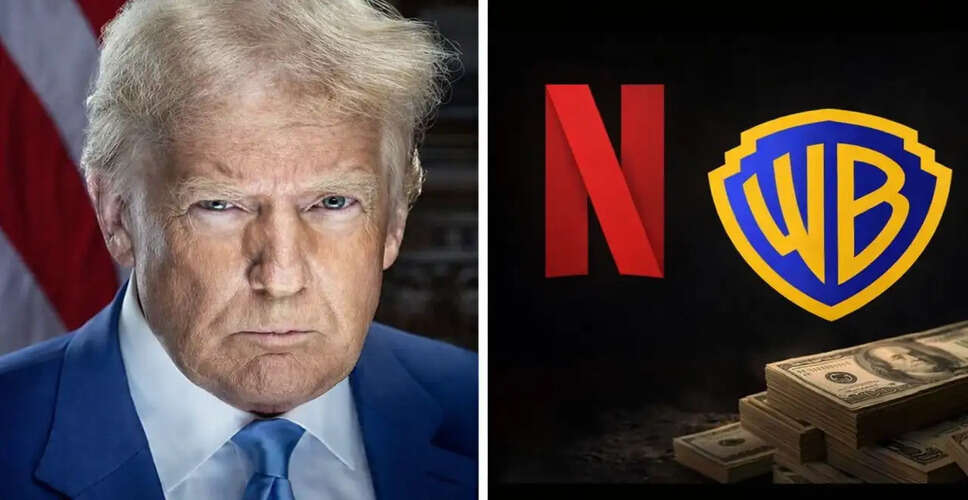
The highly anticipated agreement between Netflix and Warner Bros has fallen through, with Paramount Global and Skydance Media emerging victorious in the competitive bidding war. Warner Bros, which was put up for sale last year, declared on Thursday that Paramount's proposal was deemed "superior," while Netflix opted not to increase its offer, resulting in the collapse of the $80 billion deal. Netflix's co-CEOs, Ted Sarandos and Greg Peters, stated, "The transaction we negotiated would have created shareholder value with a clear path to regulatory approval. However, we've always been disciplined. This transaction was always a 'nice to have' at the right price, not a 'must have' at any price."
Earlier this week, Paramount enhanced its bid by raising it to $31 per share in cash, along with significant financial safeguards in case the deal fell apart. The company also agreed to cover the $2.8 billion break-up fee that Warner Bros had committed to pay Netflix under the previous agreement.
The Political Dimension
The corporate conflict has taken on a political angle, adding layers of intrigue. Former President Donald Trump has been vocal in his criticism of CNN's coverage of his administration. In December, he suggested that CNN should be sold as part of any Warner Bros transaction, labeling the network's leadership as "corrupt or incompetent."
Paramount's bid has faced scrutiny due to the connections between Trump and tech billionaire Larry Ellison, a significant contributor to Trump's campaign. Paramount is supported by Ellison and led by his son, David Ellison. Initially, Trump’s son-in-law, Jared Kushner, backed Paramount’s aggressive bid through his investment firm, Affinity Partners, but later withdrew amid scrutiny.
Regulatory oversight has also influenced the situation. Paramount's merger with Skydance, set for 2025, required approval from the Federal Communications Commission. As part of related negotiations, Paramount agreed to a $16 million settlement on behalf of CBS News after Trump sued the network over a controversial "60 Minutes" interview with former Vice President Kamala Harris, alleging election interference in its editing.
Paramount's Winning Strategy
Ultimately, Paramount's success was attributed to its competitive pricing and assurance. After an initial rejection, the company returned with a higher all-cash offer and additional guarantees, including a $7 billion reverse break-up fee if the deal fails. Warner Bros’ board determined that Paramount’s revised offer provided greater value and a quicker path to completion. David Ellison expressed satisfaction with the decision, stating that the offer provides "superior value, certainty, and speed to closing" for shareholders.
For Netflix, this retreat signifies the end of an ambitious expansion effort. In December, Warner Bros had agreed to sell its film and streaming divisions, including HBO, to Netflix for $27.75 per share, valuing the deal at approximately $82 billion, including debt. However, Paramount's late-stage push altered the dynamics.
Looking Ahead
If regulators greenlight the merger, Paramount will integrate Warner Bros’ entertainment empire with its existing assets, which include CBS, Nickelodeon, and Comedy Central. The future of CNN will be under new ownership, raising concerns about editorial independence and strategic direction. This consolidation in Hollywood is anticipated to lead to further restructuring and job reductions in an industry already facing production slowdowns. Whether Trump emerges as the "real winner" remains debatable, but with Netflix sidelined, Paramount taking the lead, and CNN potentially changing hands, the political and media implications of this $80 billion studio battle are just beginning to unfold.