
Paradip Port Authority Aims for Record Cargo Handling in 2026-27
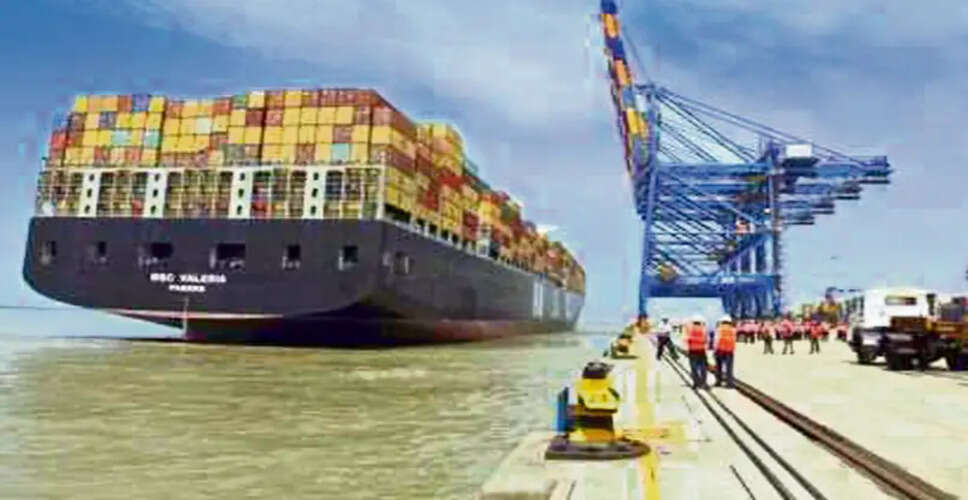

Ambitious Cargo Handling Goals Set by Paradip Port Authority
Bhubaneswar: The Paradip Port Authority (PPA) has set an ambitious goal to manage over 170 million metric tonnes (MMT) of cargo for the fiscal year 2026-27. This target builds on the impressive throughput of 156.45 MMT recorded in the last financial year, as stated by PPA Chairperson Susanta Kumar Purohit during a recent meeting.
During an interactive session with the Paradip Port Stevedores Association, attended by various department heads, Purohit emphasized the necessity for collaborative efforts to meet this challenging cargo-handling objective and to maintain the port's status as a premier maritime hub along India's eastern coastline.
He urged port officials, stevedores, and other stakeholders to work together to enhance cargo handling, boost operational efficiency, and fortify the port's competitive edge in light of global economic challenges and increasing regional competition.
The discussion centered on addressing operational hurdles, upgrading infrastructure, enhancing cargo movement, and improving coordination between port management and stevedores. Purohit highlighted the importance of tackling critical operational issues such as dredging needs, traffic management, and other factors that could hinder the efficient flow of cargo.
Additionally, he called for fostering positive industrial relations, being more responsive to stakeholder needs, and implementing environmentally friendly practices, including initiatives for green energy. In response to the concerns raised by the stevedores' association, the port administration presented plans for infrastructure enhancements aimed at facilitating smoother cargo operations and improving working conditions.
These enhancements include upgrading internal and external roadways, creating sufficient cargo-stacking zones, and improving paved surfaces to ensure efficient transportation and reduce waterlogging.
The chairperson stressed the necessity of cultivating a dynamic and inclusive port ecosystem that encourages mechanization and modernization while safeguarding the legitimate interests of traditional stevedores.
The meeting also highlighted the need for effective collaboration among the Paradip Port Authority, public-private partnership (PPP) operators, and stevedores to ensure seamless operations, broaden business prospects, and promote sustainable growth within the port's cargo-handling framework.