
Pakistan's Economy Faces Severe Challenges Amid Iran-US Tensions
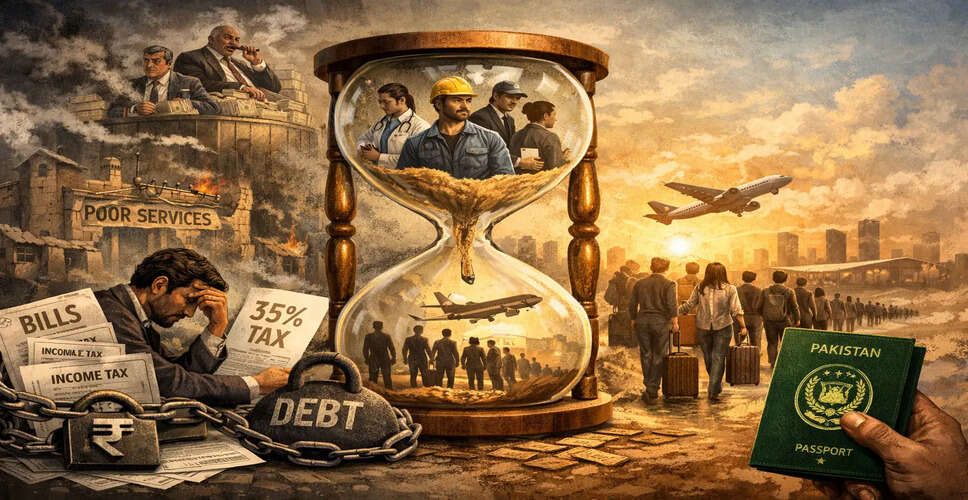
Economic Crisis Deepens in Pakistan
The economic landscape in Pakistan is deteriorating as the ongoing conflict between Iran and the United States disrupts oil supplies via the Strait of Hormuz, a crucial route for the nation's fuel imports. Reports indicate that Pakistan relies on Saudi Arabia and the United Arab Emirates for over 85% of its crude oil. The situation has raised alarms among farmers, who are concerned about the escalating fuel prices just before the harvest season. In response to the supply disruptions, the Pakistani government has increased fuel prices by 20% to curb hoarding.
Stock Market Decline
On the broader economic front, Pakistan's dollar bonds are on track for their largest monthly decline in three years. The KSE-100 Index has entered bear territory, plummeting more than 21% from its peak in January, according to Bloomberg. Foreign investors have withdrawn approximately USD 383 million from the stock market this year, as reported by the National Clearing Company of Pakistan. This volatile stock market scenario is undermining investor confidence amid rising uncertainty regarding potential adjustments to domestic fuel prices.
The anticipated increase in fuel prices could have significant repercussions for inflation and corporate profitability in Pakistan. The ramifications of soaring oil prices, driven by the Iran conflict and tensions with Afghanistan, are weighing heavily on the country's assets. Furthermore, the International Monetary Fund (IMF) has extended discussions with Pakistan regarding a USD 7 billion bailout program, aiming to evaluate how the ongoing war in Iran might affect the already debt-laden nation.
Another pressing issue is the remittances, which have reached nearly USD 38.3 billion in the Financial Year 2025, with a substantial portion originating from Gulf nations. Saudi Arabia and the UAE contribute significantly to these inflows.
Potential Layoffs for Pakistani Workers in the Gulf
The ongoing conflict has also sparked fears of layoffs among Pakistani workers in Gulf countries. The economic downturn is expected to impact sectors such as construction and services, where many Pakistani nationals are employed. Given that these workers often hold low or semi-skilled positions, they are particularly susceptible to job losses during periods of economic instability. Reduced earnings and rising living expenses may hinder their ability to remit money back to Pakistan.