
Pakistan's Austerity Measures Amid Rising Fuel Prices and Global Tensions
Introduction to Austerity Measures
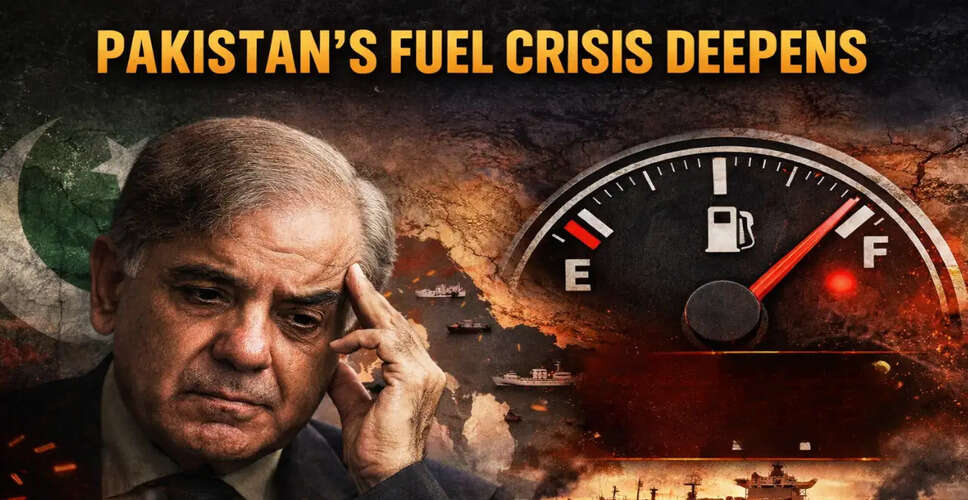
In response to escalating tensions in the Middle East, particularly between Iran and Israel, Pakistan is set to unveil a comprehensive austerity plan. Prime Minister Shehbaz Sharif is anticipated to reveal these measures on Monday, aiming to shield the economy from the adverse effects of rising fuel costs. This decision follows a significant hike in petrol and high-speed diesel prices, which surged by Rs 55 per litre last week, marking the largest increase in the nation's history.
Public Reaction and Economic Impact
The recent price surge has sparked widespread anxiety among the populace, especially as many are already grappling with high living expenses during Ramadan. Commuters and daily wage workers have expressed their discontent over the rapid rise in daily costs. With petrol prices now at PKR 324 per litre, households are feeling the financial strain, and analysts warn that this could lead to a significant uptick in inflation.
Experts caution that this fuel price shock may trigger a second wave of inflation, as increased transportation and logistics costs will likely elevate prices for food and other essential items.
Projected Oil Import Costs and Government Response
As tensions in West Asia escalate, Pakistan's monthly oil import expenses could soar to an alarming USD 600 million, as revealed by Finance Minister Muhammad Aurangzeb. Additionally, Petroleum Minister Ali Pervaiz Malik indicated that the government is seeking relief from the International Monetary Fund regarding the petroleum levy.
During a high-level meeting chaired by Shehbaz Sharif, officials assessed the country's petroleum reserves and discussed contingency plans for potential supply disruptions. They confirmed that Pakistan currently has adequate stocks of petrol and diesel, and precautionary measures are in place to handle unforeseen circumstances.
Future Plans and Emphasis on Fairness
The government has also prepared a backup plan that includes options like remote work and online learning if conditions worsen. However, the Prime Minister has decided to delay these measures for the time being, opting for weekly reassessments of the situation.
Shehbaz Sharif highlighted the importance of prudent consumption of petroleum products in the upcoming weeks as the nation navigates the uncertainties of global energy markets. He stressed that austerity measures should not disproportionately burden ordinary citizens, advocating for a fair distribution of the economic strain, with wealthier individuals leading the way in adopting necessary adjustments.
“The government is fully aware of the situation and fluctuations in international oil prices, and therefore measures are being taken to provide maximum relief to the people,” he stated.