
Odisha's Cabinet Unveils Major Water Supply and Regulatory Reforms
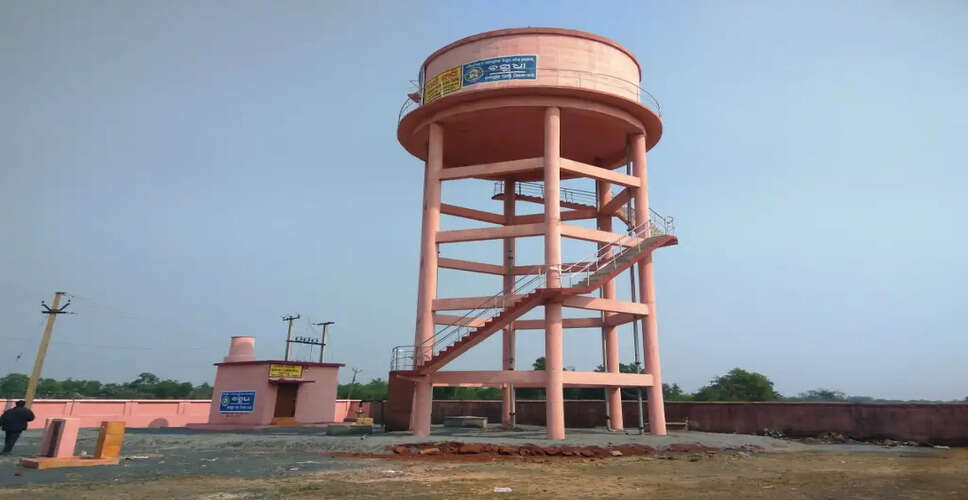

Significant Water Supply Initiative Approved
Bhubaneswar: The Cabinet, led by Chief Minister Mohan Charan Majhi, has given the green light to the revised Buxi Jagabandhu Assured Water Supply to Habitations (BASUDHA) scheme, allocating a budget of Rs 5,045 crore for its rollout from 2026-27 to 2028-29.
Chief Secretary Anu Garg highlighted that the revamped BASUDHA initiative aims to enhance rural drinking water accessibility in Odisha by tackling issues such as unserved areas, unfinished projects, water quality problems, infrastructure deficiencies, sustainability of sources, and risks associated with climate change.
Additionally, the Cabinet sanctioned the Rs 650 crore ‘Building Odisha’s Irrigation (Project) Tourism Amenities’ (BOITA) scheme, which will span five years. This initiative focuses on the preservation and renovation of historical irrigation systems, promoting traditional water management techniques, and unlocking socio-economic benefits through heritage irrigation structures.
Regulatory Reforms and Land Management Rules
The Cabinet also endorsed the Odisha Jan Vishwas Bill, 2026, which represents a significant step in the state's regulatory reform efforts. This Bill proposes changes to 62 provisions across 16 State Acts managed by 11 departments.
Among the proposed changes, 35 amendments across 11 Acts aim to decriminalize and streamline minor technical and procedural offenses, while 27 amendments across five Acts focus on simplifying nine regulatory approvals. The reforms suggest replacing excessive penalties and imprisonment for minor infractions with monetary fines, minimizing redundant approvals, extending the validity of licenses, and introducing compliance based on notifications where suitable.
Furthermore, the Cabinet approved the Shree Jagannath Temple Land Management Rules, 2026, which will replace the previous Uniform Policy from 2003 and its 2019 amendment. The new framework will be entirely digital, encompassing applications, verification, and settlement of temple lands. Field verification will be conducted by district-level committees led by Collectors, while the Shree Jagannath Temple Managing Committee will issue No Objection Certificates.
These rules stipulate that land valuation will be based on either the Benchmark Value or Average Land Sale Statistics. They also require GIS-based mapping and a digital inventory of temple lands, along with a publicly accessible dashboard integrated with the Revenue Department’s Bhulekh and Bhunaksha systems.