
Odisha's BJD Pushes for Total GST Exemption on Kendu Leaves and Handloom Goods
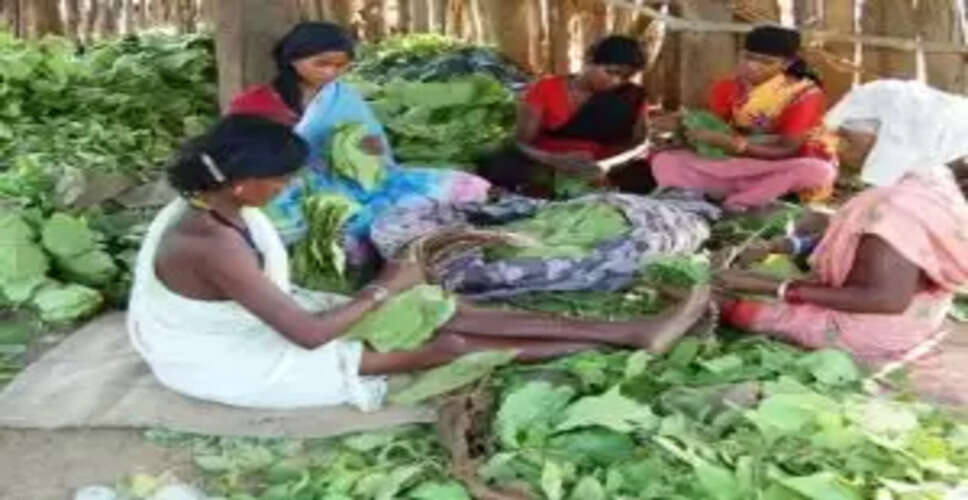

BJD's Call for GST Relief
Bhubaneswar: The Biju Janata Dal (BJD) in Odisha has recently urged the central government to fully exempt Kendu leaves and handloom products from GST, while also seeking compensation for an estimated monthly revenue loss of ₹1,000 crore due to changes in tax slabs.
During a press briefing, senior BJD leaders Debi Prasad Mishra and Niranjan Pujari emphasized that although the GST on handloom items has been lowered from 18% to 5%, a complete exemption is necessary to protect the interests of tribal and Dalit communities involved in Kendu leaf collection.
The BJD representatives noted that their demand for a total GST exemption on Kendu leaves and handloom products has been ongoing since 2018, yet it remains unaddressed.
Former Chief Minister Naveen Patnaik had previously reached out to Union Finance Minister Nirmala Sitharaman regarding this issue, but no action has been taken.
While the GST on Kendu leaves has been reduced from 18% to 5%, BJD argues that this change does not provide any real benefit to the collectors, who are primarily tribal and economically disadvantaged.
Pujari, who has served as finance minister, reiterated the party's stance on the need for GST exemption in the handloom sector, highlighting the plight of weavers who produce cotton and silk sarees.
He pointed out that while industrialists dominate the power loom sector, handloom artisans, who belong to economically weaker sections, require support through tax exemptions.
Currently, handloom products still incur a 5% GST, prompting the BJD to renew its call for a complete exemption.