
Nirav Modi Seeks to Reopen Extradition Appeal Amid Torture Concerns
Nirav Modi's Extradition Appeal
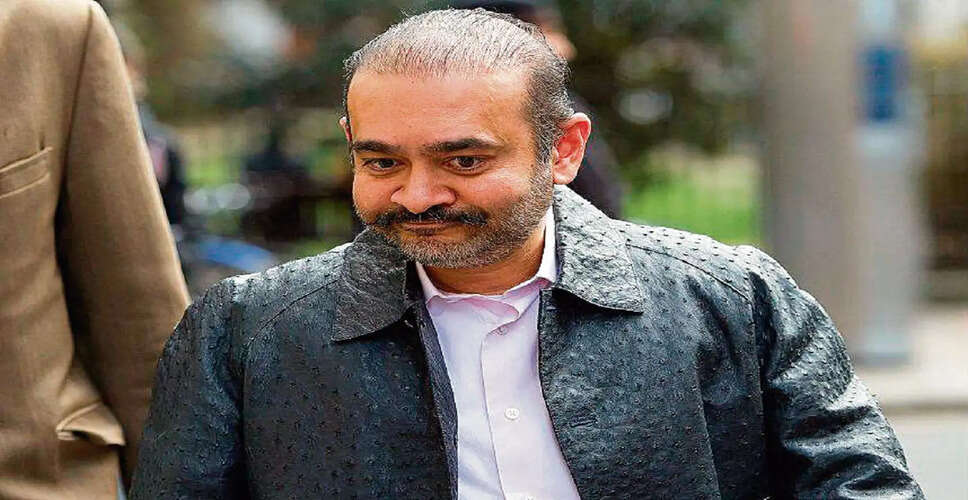
Nirav Modi, the fugitive diamantaire, has filed a request to reopen his extradition appeal that was previously concluded in London's High Court. He argues that he is at a "real risk of torture" during interrogations by Indian authorities.
During a day-long hearing at the Royal Courts of Justice, Lord Jeremy Stuart-Smith and Justice Robert Jay reserved their judgment. Stuart-Smith remarked, "This case holds significant importance for Mr. Modi and the Indian officials present. We aim to deliver our judgment promptly." The Indian government, represented by the Crown Prosecution Service (CPS), opposed the reopening of a case that had seen Modi's extradition ordered nearly six years ago.
CPS barrister Helen Malcolm urged the court to consider the exceptional nature of the case, emphasizing that protective measures are in place to ensure that the assurances from the Indian government are upheld, particularly to avoid negative impacts on future extradition processes between India and the UK.
Claims Made by Nirav Modi
During the proceedings, Nirav's lawyer, Edward Fitzgerald KC, contended that extradition would expose him to inhumane treatment or torture during interrogations in India. He further argued that the assurances provided by the Indian government are neither sufficient nor trustworthy, especially given the potential for additional non-bailable warrants against Modi.
Fitzgerald also suggested that Modi could be transferred from Arthur Road Jail in Mumbai to Gujarat for questioning by agencies beyond the Central Bureau of Investigation (CBI) and the Enforcement Directorate (ED).
Modi's legal team referenced the extradition case of Sanjay Bhandari, a defense sector consultant facing charges of tax evasion and money laundering. Bhandari was released from extradition bail last year on human rights grounds.
Overview of the Sanjay Bhandari Case
Last year, a special court in Delhi labeled Sanjay Bhandari a Fugitive Economic Offender under the Fugitive Economic Offenders (FEO) Act due to an income tax case involving undisclosed foreign assets. However, the UK High Court later blocked his extradition, citing human rights concerns, including risks of extortion and violence in Indian custody.
Judges Timothy Holroyde and Karen Steyn noted in their ruling that torture for obtaining confessions is widespread in India, making it unlikely that Bhandari could expect protection from prison officials against the investigating agencies. The Indian government's attempt to appeal this decision in the UK's Supreme Court was also dismissed.