
Middle East Tensions Threaten Global Energy Stability
Rising Energy Crisis Warning
Qatar's energy minister, Saad al-Kaabi, has issued a stark warning that the escalating conflict in the Middle East could lead to a significant global energy crisis if it persists over the coming weeks. In a discussion with a financial publication, al-Kaabi indicated that oil prices might soar to $150 per barrel, potentially hampering global economic growth if energy exports from the Gulf region are interrupted.
As the chief executive of QatarEnergy, al-Kaabi noted that the situation has already compelled Qatar to declare force majeure following an Iranian drone attack on Ras Laffan Industrial City, the nation’s primary liquefied natural gas (LNG) export hub. He cautioned that other Gulf energy producers might soon find themselves in a similar predicament.
“We anticipate that all exporters in the Gulf will have to declare force majeure if this situation continues,” he stated. “Those who do not may face legal liabilities in the future.”
Impact on LNG Exports
Major disruption to LNG exports
Al-Kaabi mentioned that the extent of the damage to the Ras Laffan facility is still under evaluation, and the timeline for repairs remains uncertain. Even if hostilities cease immediately, restoring normal operations could take considerable time.
“Our vessels are currently scattered,” he remarked, revealing that only a small fraction of Qatar’s fleet of 128 LNG carriers is available for loading cargo.
He further indicated that it might take weeks or even months for exports to return to their usual levels.
Concerns Over the Strait of Hormuz
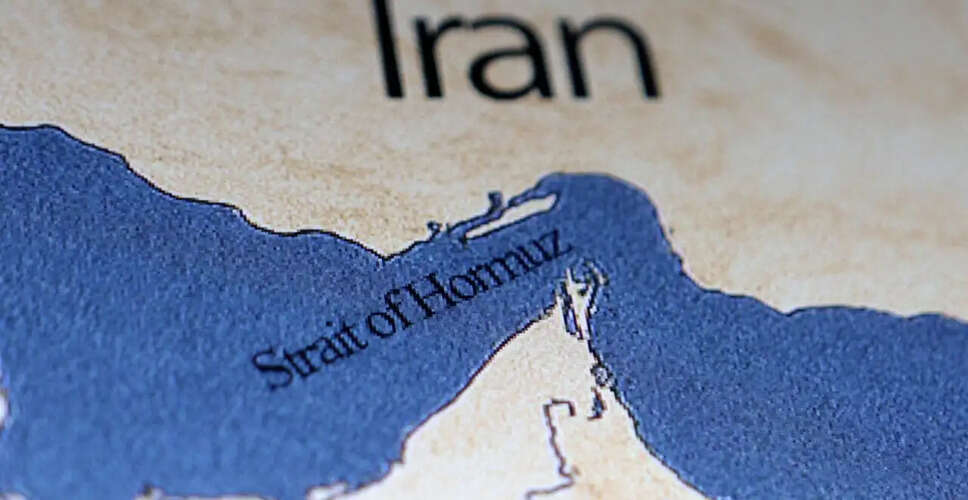
Strait of Hormuz raises biggest concern
The Strait of Hormuz poses the greatest risk to global energy markets, as it is a crucial passage for approximately 20% of the world’s oil and gas supplies. Al-Kaabi warned that if tankers cannot navigate the strait safely, crude oil prices could escalate to $150 per barrel within two to three weeks, with natural gas prices potentially reaching $40 per MMBtu, nearly quadrupling their pre-conflict levels.
Following military strikes by the United States and Israel on Iran, shipping through the strait has already slowed, leading to retaliatory attacks. Reports indicate that at least ten vessels have been targeted, resulting in increased insurance costs and hesitance among shipping companies to operate in the area.
“Given the nature of the attacks, bringing ships into the strait is perilous,” al-Kaabi stated. “The proximity to the shore makes it too risky.”
Production Halts Due to Safety Concerns
Safety concerns force production halt
QatarEnergy has suspended production primarily due to safety concerns after military alerts indicated potential threats to offshore facilities. Approximately 9,000 workers were evacuated within a day of the drone strike.
“When our personnel are at risk and we are under military threat, we cannot continue operations or endanger our workforce, necessitating the declaration of force majeure,” he explained. Production will only resume once military authorities confirm the situation is secure.
Wider Economic Implications
Global economic impact
Al-Kaabi emphasized that the ramifications of the ongoing conflict could extend well beyond the energy sector. Gulf nations not only export oil and gas but also significant quantities of petrochemicals and fertilizers essential for various global industries.
“This conflict could severely impact global economies,” he warned. “If hostilities persist for several weeks, GDP growth worldwide will be affected, leading to higher energy prices for everyone.” He also cautioned that supply disruptions could result in shortages across multiple industries, triggering a chain reaction of production delays.