
Microsoft CEO Warns Against AI Power Concentration

Concerns Over AI Control
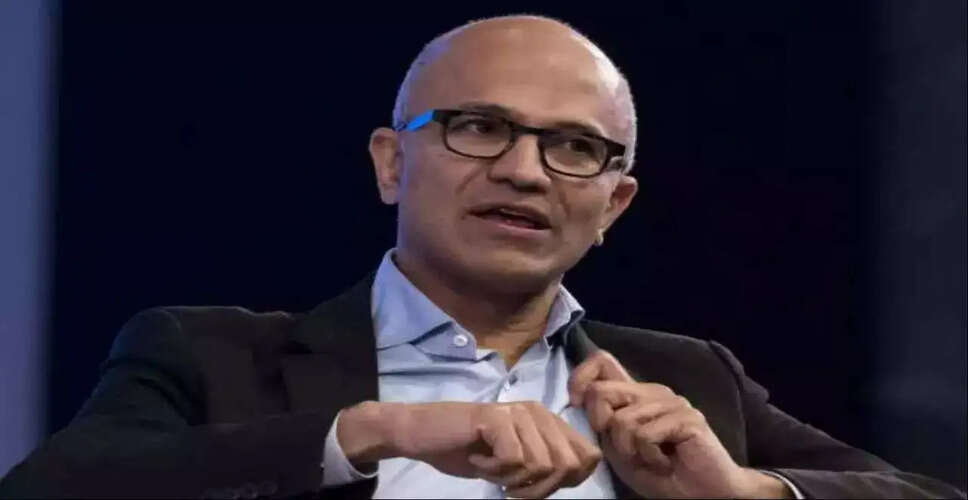
Satya Nadella, the CEO of Microsoft, has raised significant concerns regarding the future of artificial intelligence, emphasizing that its control should not be limited to a select few powerful corporations. His remarks have garnered attention, particularly given his position at the helm of one of the leading AI firms globally. Nadella cautioned against the concentration of AI capabilities within a small number of companies, advocating instead for a broader distribution of power.
He highlighted that the effectiveness of AI should be evaluated based on the productivity and economic benefits it generates, rather than merely its potential to replace human jobs. During an interview with a prominent media outlet, Nadella stressed that the trajectory of AI development should not be dictated by a handful of industry leaders, especially as this technology begins to transform employment, business operations, and access to information.
Nadella warned that the public would reject a scenario where a few companies monopolize global knowledge. He remarked, “We cannot simply invest all our resources into building data centers, as this could lead to the disappearance of all white-collar jobs, turning AI into a potential weapon.” This statement critiques certain firms that highlight the risks associated with AI while simultaneously expanding their infrastructure.
The timing of his comments is particularly relevant, as major tech companies, including Microsoft, OpenAI, Google, and Anthropic, are heavily investing in AI technologies, chips, and data centers to enhance their systems. As these giants strive to develop more advanced AI frameworks, Nadella's insights prompt a reevaluation of the implications of AI power concentration, the future of knowledge accessibility, and the broader economic consequences if a few entities dominate this space.