
Maruti Suzuki Adjusts Vehicle Prices Amid Rising Costs: What You Need to Know
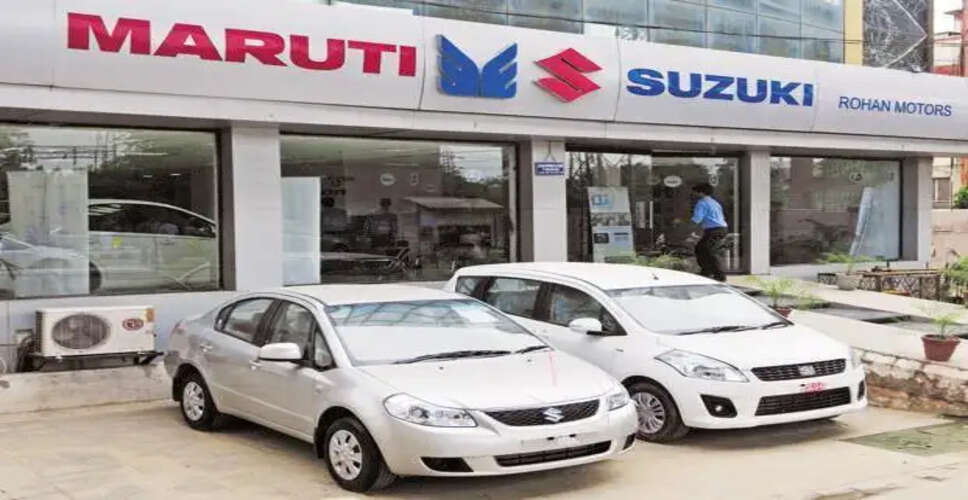

Price Increase Announcement
New Delhi: Maruti Suzuki India has announced a price hike for certain vehicle models starting from Sunday, attributing this decision to ongoing cost pressures.
The company is facing persistent price challenges, prompting it to pass on a portion of these costs to consumers while attempting to minimize the financial burden on them.
Maruti Suzuki stated in a filing, "Due to sustained cost pressures, we have decided to increase prices for select models, effective November 22, 2026."
The average price increase is estimated to be around 0.31 percent.
Despite efforts to cut costs, the company finds it necessary to transfer some of the increased expenses to the market while trying to limit customer impact.
This latest adjustment follows three previous price hikes in the first half of the financial year 2027, which collectively exceeded 1 percent.
In the second quarter, Maruti Suzuki reported a 26.36 percent drop in consolidated net profit, amounting to Rs 2,466.1 crore, despite a significant rise in revenue driven by record vehicle sales.
The company's earnings were affected by higher input costs linked to the conflict in West Asia, leading to a decline in operating EBITDA from 12.7 percent in the previous year to 9.4 percent this quarter.
While increased selling prices and sales volume were positive factors, rising costs partially countered their benefits.
To manage expenses, the company has also reduced marketing expenditures. During its second-quarter investor call, management indicated that they would implement strategic pricing measures in the latter half of the year.
Maruti Suzuki aims for double-digit volume growth in the second half of the financial year, despite a challenging comparison to last year's high figures. The company anticipates that strong festive demand, a solid order backlog, and optimized dealer inventory will support this growth.
Domestic vehicle dispatches surged by 31.6 percent, reaching 11.46 lakh units from April to September, with growth attributed to a low base from the previous year, particularly in August and September.