
Mark Zuckerberg Discusses AI's Impact on Employment Amid Meta Layoffs

Zuckerberg's Perspective on AI and Job Security
In the wake of Meta's decision to lay off approximately 8,000 employees, CEO Mark Zuckerberg has expressed that fears surrounding artificial intelligence (AI) taking over jobs may be overstated. He suggests that rather than viewing AI as a job eliminator, it could potentially lead to the creation of new job opportunities if utilized to enhance human skills instead of replacing them. The recent layoffs account for about 10% of Meta's total workforce, with notifications sent out in three phases at 4 AM local time across various regions including Asia, Europe, and the Americas on May 20. In the U.S., affected employees are being offered severance packages that include 16 weeks of pay plus an additional two weeks for each year of service, along with up to 18 months of COBRA health coverage. Additionally, around 7,000 employees are being redirected to AI-focused projects, while approximately 6,000 job openings are being cut.
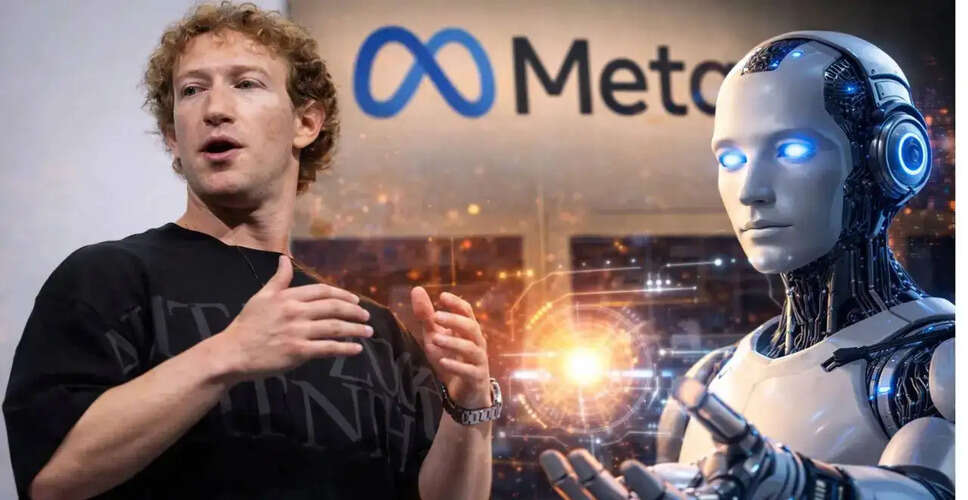
During a live interview on Complex’s Idea Generation, Zuckerberg discussed the future of AI and its implications for employment. He stated, “People assume that’s inevitability. I don’t actually think it is.” He elaborated that the long-term effects of AI will hinge on whether companies prioritize automation or leverage the technology to boost individual productivity, which he referred to as 'personal super intelligence.' He believes that if the focus is on empowering workers and enhancing productivity at a pace that outstrips automation advancements, there could be an increase in job availability rather than a decrease.
Meta's Strategic Shift Towards AI
Despite being a leading technology firm, Meta is under pressure to accelerate its efforts in the rapidly evolving generative AI sector. Zuckerberg characterized the company's recent AI strategy as a 'reboot,' emphasizing significant investments in talent and infrastructure. Meta has allocated billions to bolster its AI capabilities, including the establishment of the SuperIntelligence Lab and a $14 billion investment in Scale AI. The company also recently launched Muse Spark, its inaugural large language model following this investment. While Zuckerberg is pleased with Meta's advancements, he recognizes that expectations have risen in tandem with these developments. “Because I have acclimated to the good news along the way, I now think that we should be doing even better,” he remarked.
Ongoing Efficiency Initiatives Amid Rising AI Investments
Meta's latest regulatory filings indicate that as of April, the company employed 77,986 individuals, reflecting a slight 1% increase from the previous year. However, the restructuring announced in May resulted in the elimination of around 8,000 roles across various teams, including Integrity, cybersecurity, and content design, as the company aims to streamline its operations while funding its growing AI initiatives. The leadership at Meta has acknowledged the challenge of determining the optimal workforce size. During the first-quarter earnings call on April 29, CFO Susan Li stated that the company is still assessing what its ideal headcount should be. Zuckerberg also suggested that AI could significantly alter staffing needs, proposing that teams that once required 50 or 100 employees might be able to achieve the same results with just 10, making larger teams less feasible.
Meta plans to invest between $125 billion and $145 billion in capital expenditures this year, nearly doubling its spending from 2025, with a substantial portion allocated to data centers, custom AI chips, and model training for the Meta Superintelligence Labs. The company has indicated that the recent workforce reductions are intended to help balance these considerable investments. Following the earnings report, Meta's stock saw a decline of 6%. Zuckerberg's optimistic outlook contrasts with warnings from industry leaders like Anthropic CEO Dario Amodei, who has predicted that AI could displace up to half of entry-level white-collar jobs in the next five years. Conversely, OpenAI CEO Sam Altman has adopted a more cautious stance, suggesting that fears of an immediate AI-induced 'job apocalypse' have yet to come to fruition.