
Lufthansa Implements Major Cuts to Summer Flight Schedule Amid Rising Fuel Costs

Lufthansa's Strategic Flight Reductions
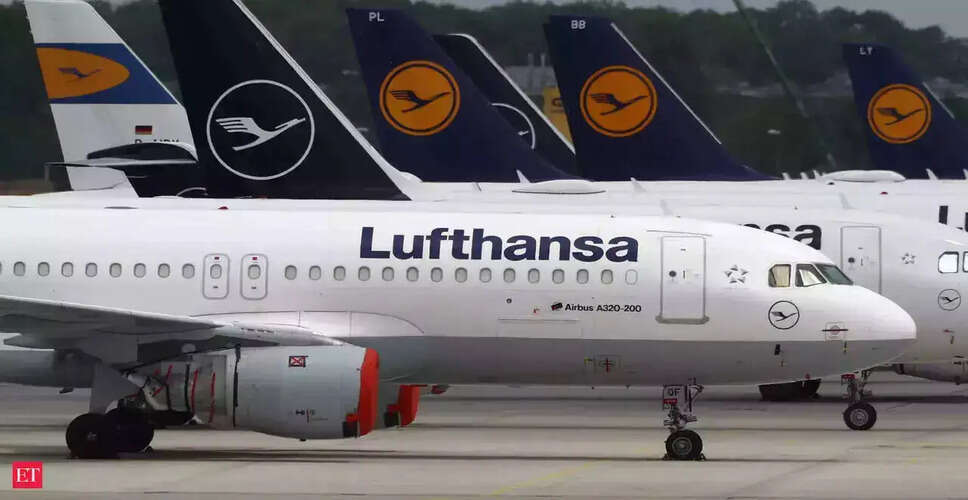
Deutsche Lufthansa AG, the largest airline group in Europe, has announced significant reductions to its summer flight schedule, eliminating thousands of short-haul flights due to escalating fuel prices that are altering the economics of the aviation industry. This decision comes in response to a sharp increase in jet fuel costs, largely influenced by the ongoing conflict in Iran, prompting airlines to reevaluate their capacity and profitability.
Lufthansa has confirmed that it will cut approximately 20,000 flights from its summer timetable in Europe, focusing on routes that are no longer financially sustainable given the current fuel prices. This reduction accounts for about 1% of its available seat capacity and is projected to save nearly 40,000 tons of jet fuel, as reported by Bloomberg.
The airline's actions are particularly aggressive compared to its competitors, as it seeks to safeguard its profit margins while dealing with a challenging cost landscape.
Initial Cancellations and Future Plans
Changes have already begun, with the first 120 flight cancellations implemented immediately. These initial cuts will remain effective until the end of May, while further reductions for the summer schedule are anticipated to be announced by late April or early May.
Additionally, Lufthansa has revealed plans to shut down its Cityline regional division and has grounded 27 older aircraft that are known for their high fuel consumption. These measures reflect a broader strategy aimed at enhancing operational efficiency.
Wider Industry Effects and Capacity Adjustments
The rise in fuel prices is affecting the entire airline industry, not just Lufthansa. Data from Cirium Ltd. indicates that global airline capacity for May has already decreased by approximately 3 percentage points, with nearly all of the top 20 airlines worldwide scaling back their operations.
Cirium has also adjusted its growth forecast for the aviation sector, moving from an earlier estimate of 4% to 6% growth to a scenario where capacity could potentially decline by up to 3% under unfavorable conditions.
In addition to immediate schedule cuts, Lufthansa is looking to implement structural changes aimed at enhancing long-term profitability. The airline plans to eliminate 4,000 administrative positions by 2030 and transfer more short-haul operations to its lower-cost subsidiaries, such as City Airlines and Discover, which reportedly have crew costs that are up to 40% lower than those of the main airline.