
LPG Supply Crisis in Assam: Restaurants Struggle Amid Black Marketing
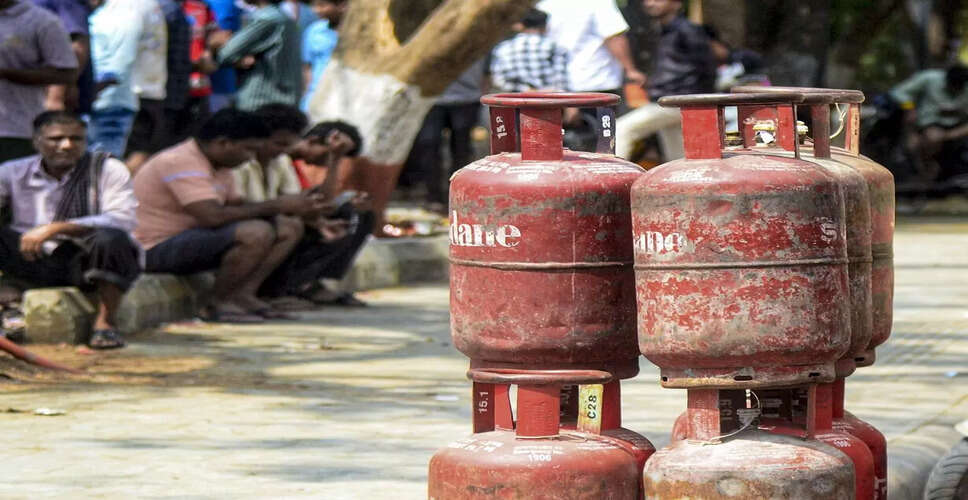
Ongoing LPG Supply Issues in Assam
Guwahati, April 1: Despite efforts by refiners and marketing firms to stabilize LPG supplies in light of the situation in West Asia, Assam continues to face a crisis due to black marketing and distribution leaks. This has led to the closure of numerous roadside food stalls and forced restaurants to limit their menus and reduce operating hours.
In response, many eateries are now utilizing electric cooking appliances, diesel-fired stoves, and even firewood as substitutes. However, this shift has resulted in longer cooking times, adversely impacting food delivery services. Some vendors have increased their prices to manage the rising expenses.
“The government has restricted commercial LPG supply to 20 percent, but we are not receiving our fair share. Distributors are allocating this quota based on cylinder count rather than actual usage. For instance, if I have four cylinders, I’m only allowed one, and it takes three to four days to arrive,” explained a restaurant chain owner who has had to switch to electric and diesel cooking methods.
The All Assam Restaurant Association has reached out to the Kamrup Metro district administration, indicating that many restaurants have already reduced their operations, limited their menus, or halted online delivery services. “The industry is on the brink of collapse. Without a restoration of supply, hundreds of businesses may have to close indefinitely, jeopardizing the livelihoods of thousands,” they stated.
The association also claimed that the shortage has led to widespread black marketing, with reports of commercial cylinders being sold unofficially for as much as Rs 4,000.
Numerous individuals have reported that both domestic and commercial cylinders are being sold illegally at prices between Rs 3,000 and Rs 4,000, raising concerns about the effectiveness of monitoring systems. Domestic consumers have also expressed dissatisfaction with delivery delays.
Additionally, branded induction cooktops have disappeared from store shelves, exacerbating the crisis.
“Manufacturers did not foresee this demand. Induction cooktops typically account for 15-17 percent of small appliance sales. However, now every second inquiry is about induction. Producers are struggling to meet the demand. While Chinese products are available, they lack consumer trust,” noted a representative from a leading brand.
Induction cooktops require a 16-ampere socket to handle their high power needs, which is often unavailable in hostels and small apartments. They also necessitate special cookware.
Meanwhile, refineries such as IOCL’s Digboi, Guwahati, and Bongaigaon, along with NRL, have reportedly increased their LPG production by over 20 percent.
The current stock in the state stands at 9,873 MT, sufficient to meet demand for three and a half days. When considering the transit stock of 15,059 MT, it could last nearly nine days.
Yesterday, approximately 1,13,022 domestic cylinders were delivered against a total booking of 1,06,705. Distributors uplifted 1,38,234 cylinders, while the opening stock with distributors this morning was 1,64,564, according to an IOC spokesperson. Prior to the crisis, average daily deliveries were around 1,25,000.
“Oil companies are making every effort, and the Government of India is closely monitoring the situation. Stricter oversight is necessary at the local level to combat black marketing, as the district administration and Supplies Department have full authority over the distribution of this essential commodity,” stated an official from an oil company.