
Lenskart Responds to Criticism with New Guidelines on Religious Symbols
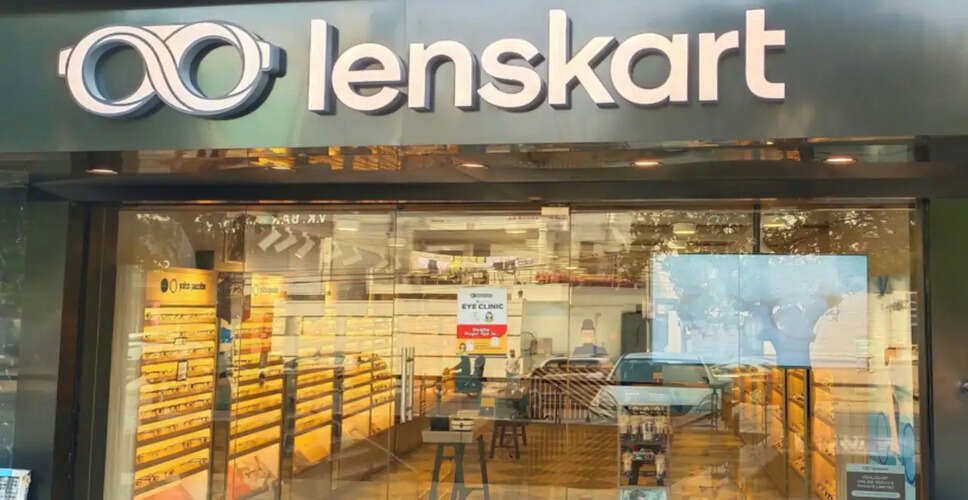

Lenskart's Response to Online Backlash
The eyewear retailer Lenskart has recently confronted a surge of online backlash stemming from a supposed internal grooming document. In light of this, the company has publicly apologized and introduced a revised ‘In-Store Style Guide’ that explicitly allows employees to showcase their religious and cultural symbols while on duty. The uproar began earlier this week when a document, alleged to be Lenskart’s employee grooming policy, went viral on social media. Critics claimed it imposed restrictions on visible religious symbols, particularly items like the bindi and tilak, leading to widespread outrage and calls for a boycott.
To restore trust, Lenskart released a statement on X, emphasizing transparency and accountability. The company announced that it would make its guidelines public to clear up any confusion and reassure both employees and customers about its core values.
Updated Guidelines for Employees
The newly revised policy clarifies that employees are permitted to wear symbols of their faith, including the bindi, tilak, sindoor, kalawa, mangalsutra, kada, hijab, and turban. Lenskart emphasized that the updated framework ‘explicitly and unambiguously’ supports personal expression related to cultural and religious identity. ‘If any version of our workplace communication caused hurt or made any of our team members feel that their faith was unwelcome here, we are deeply sorry. That is not who Lenskart is, and it is not who we will ever be,’ the company stated.
Clarification from the Founder
Prior to this announcement, founder Peyush Bansal had already addressed the matter, clarifying that the viral document did not represent the current policies. He described it as an outdated version and reassured the public regarding the company’s position. ‘I want to speak directly that this document does not reflect our present guidelines. Our policy has no restrictions on any form of religious expression, including bindi and tilak,’ Bansal stated, apologizing for the confusion and concern the situation had caused.
Building on that clarification, Lenskart emphasized its identity as a homegrown brand with over 2,400 stores nationwide. The company noted that its workforce embodies a variety of traditions and beliefs, which employees bring to work every day. ‘Lenskart was built in Bharat, by Indians, for Indians... That is not something we will ever ask anyone to leave at the door,’ the statement read.
Looking forward, the retailer has committed to ensuring that all future policies, training modules, and communications will adhere to inclusive principles. It is also dedicated to continuously improving employee trust and public confidence. ‘We will do better. And we will keep earning your trust,’ the company concluded.
(With Agency Input)