
KP Group Launches Major Manufacturing Facility in Bharuch
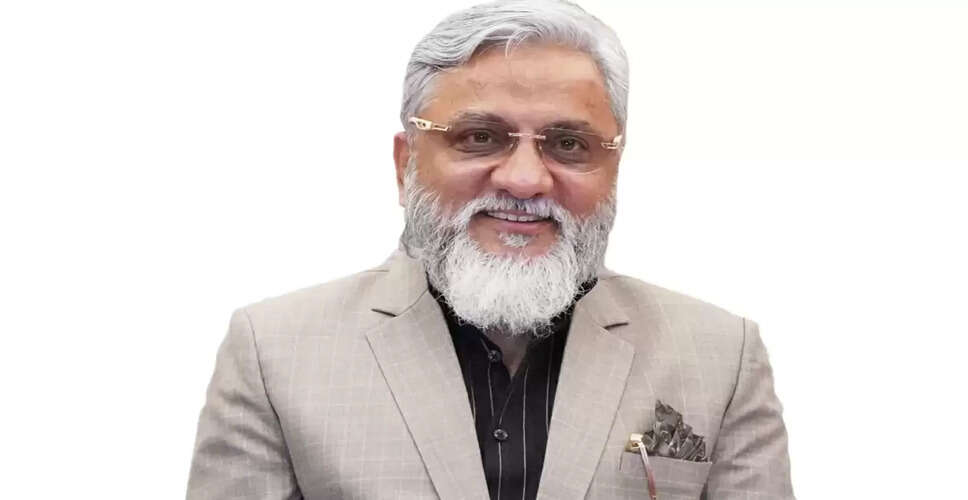
New Manufacturing Facility in Bharuch
Founded by Faruk G. Patel, KP Group has inaugurated a state-of-the-art manufacturing facility in Matar, located in the Bharuch district. This facility boasts what is claimed to be the largest galvanizing kettle in Asia, with a capacity of 56 cubic meters, enabling the processing of 90,000 metric tons of material each year. The plant utilizes advanced German technology and integrates green hydrogen into its operations.
Expansion into Renewable Energy Manufacturing
This new facility marks KP Group's foray into heavy manufacturing aimed at supporting renewable energy infrastructure. The galvanizing processes carried out here are crucial for protecting steel components that are essential in solar panel mounts, wind energy setups, and telecommunications equipment, all of which are vital to India's expanding clean energy landscape.
A Journey from Logistics to Diversified Industry
Patel's journey began with various jobs in India before he established KP Group in 1994, which has since transformed from its humble origins into a multifaceted industrial enterprise encompassing manufacturing, project development, and technology.
Supporting India's Make in India Initiative
The expansion of KP Group's manufacturing capabilities aligns with India's efforts to boost domestic production of renewable energy components as part of the Make in India initiative. This facility aims to lessen the country's dependence on imported galvanized materials, particularly for large infrastructure projects in the solar and wind energy sectors, where the demand for treated steel components is on the rise.
Innovative Solutions for Solar Energy
Beyond manufacturing, KP Group is also involved in project development and technological advancements. The company has created automated cleaning systems for solar installations that conserve water, addressing resource limitations in areas where solar projects are typically situated. These robotic systems have been successfully implemented in over 25 utility-scale solar installations nationwide.
Centralized Monitoring for Enhanced Performance
KP Group operates a centralized monitoring facility in Surat, which collects performance data from renewable energy assets through digital systems. This Network Operations Centre manages wind and solar installations that collectively exceed 1.5 gigawatts across various states, offering real-time operational insights and maintenance scheduling.
Creating Job Opportunities in Gujarat
The industrial activities of KP Group have generated significant employment opportunities within Gujarat's manufacturing sector, with the company employing over 6,000 individuals. This expansion is in line with government efforts to enhance domestic production of renewable energy components and decrease reliance on imports.
Integrated Business Model for Future Growth
KP Group's business model integrates manufacturing with project development. Current operations encompass solar power generation, wind energy development, and industrial services, with the three publicly listed entities under the KP Group reporting a combined market capitalization of ₹133 billion as of May 2025.
Future Plans for Clean Energy Capacity
Looking ahead, KP Group plans to expand its production capacity to achieve its goal of developing 10 gigawatts of clean energy capacity by 2030. Future investments will focus on establishing green hydrogen production facilities, battery energy storage systems, and manufacturing components for floating solar and offshore wind projects.