
Jet Fuel Prices in Pakistan Surge Amid Ongoing Global Oil Crisis
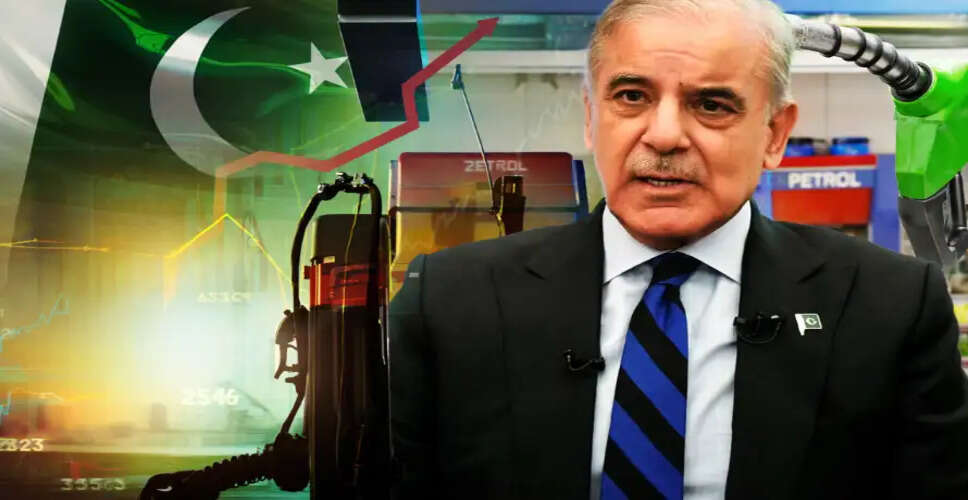

Rising Jet Fuel Costs in Pakistan
In Pakistan, jet fuel prices have escalated for the fifth time within a span of 28 days, reaching a record high as ongoing conflicts in West Asia disrupt global oil supplies. The latest hike of Rs. 5.00 per litre has pushed the current price to Rs. 476.97 per litre. Since March 2026, the total increase in jet fuel prices has amounted to Rs. 288.00, with the price at the beginning of the month being Rs. 188.00 per litre.
The government attributes these frequent price hikes to the global oil crisis stemming from Middle Eastern conflicts, coupled with significant fluctuations in energy markets, jet fuel shortages, and limited domestic reserves. Pakistan's heavy reliance on imported oil means that the soaring international crude oil prices directly impact the country.
The rise in aviation fuel costs is adversely affecting the airline industry, prompting carriers to increase ticket prices to manage their elevated operating costs. For instance, one-way domestic fares on popular routes such as Karachi to Islamabad and Karachi to Lahore have surged to as much as Rs. 40,000. Additionally, last-minute or 'chance seat' tickets have seen price increases of up to 150 percent. International economy class fares to destinations in the Middle East and cities like Toronto, Paris, and Manchester now range from Rs. 300,000 to Rs. 700,000.
Industry analysts caution that further fare increases are imminent as airlines grapple with the rising fuel costs, exacerbating the challenges faced by an already pressured aviation sector. These jet fuel price hikes compound previous fuel adjustments, including a recent Rs. 200 per litre increase in high-octane petrol in India, which is used in luxury vehicles. This has further escalated living costs, affecting transportation fares and the prices of essential goods like fruits and vegetables.
As petrol stations face growing frustration from customers—amid rumors that attendants are reluctant to sell fuel in small quantities due to pricing issues—the broader economy is feeling the strain of these multiple fuel price hikes. With the ongoing conflict in West Asia showing no signs of resolution, global oil prices remain unstable, indicating a likelihood of continued domestic fuel price increases. Travelers are now hesitant to book flights due to the soaring airfare, highlighting how geopolitical tensions abroad can directly impact everyday life and business operations in Pakistan.