
Japan's Nikkei Index Reaches Historic Milestone Amid Global Optimism
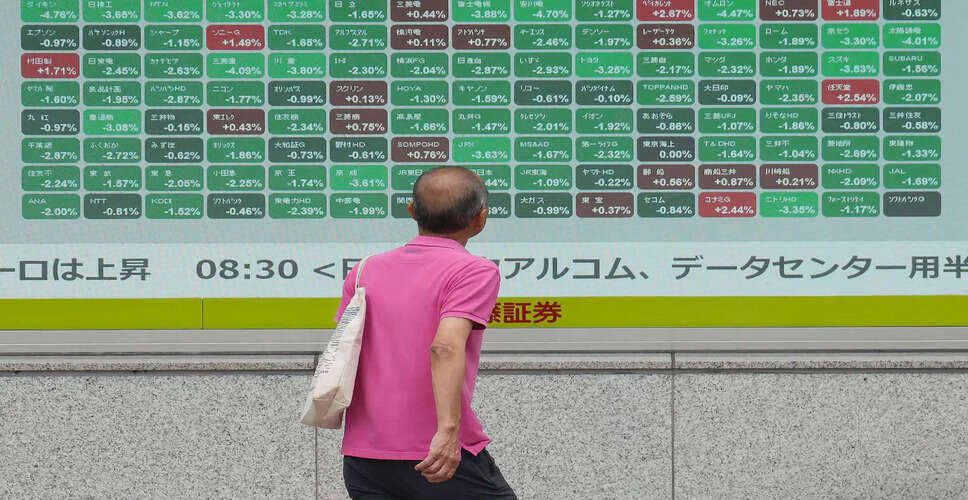

Nikkei Index Hits New Heights
For the first time in history, Japan's Nikkei index has surpassed the 71,000 mark, driven by global investor enthusiasm following the US-Iran agreement aimed at resolving the conflict in West Asia. The index experienced a significant surge at the market's opening, gaining over 1,400 points, which is approximately a 2 percent increase at one point during the day. Stocks in technology, artificial intelligence, and semiconductor sectors saw notable gains due to heightened demand and investor interest.
While the rest of the Asian markets displayed mixed results, both South Korea’s Kospi and Japan’s Nikkei 225 reached new record highs. Analysts suggest that the peace agreement between the US and Iran could enhance market sentiment and earnings not only in Asia but globally. Nonetheless, some traders express caution, questioning the sustainability of this newfound peace.
Despite the Nikkei's record-breaking performance, Japan faces economic challenges. The country reported a trade deficit of approximately $2.34 billion in May, marking its first deficit in four months. This decline in trade coincided with a significant drop in crude oil imports, which fell over 57 percent in volume due to the ongoing conflict in West Asia. Conversely, exports increased by 17.0 percent, reaching 9.51 trillion yen, driven by strong demand for semiconductors, electronic components, and motor vehicles. Imports also rose by 12.5 percent year-on-year to 9.89 trillion yen.
In response to the geopolitical tensions, Japan has intensified its efforts to source fuel from alternative suppliers, including the United States, particularly following the US-Israeli military actions against Iran that commenced on February 28, 2026. As a result, crude oil imports from the US surged by 24 percent. The Bank of Japan has acknowledged that rising crude oil prices are exerting pressure on economic activities. However, the overall growth remains bolstered by strong corporate profits and improving employment and income conditions. The central bank also indicated that the risk of a significant economic downturn has diminished, aided by government initiatives aimed at lowering household energy expenses.