
Iran's Parliament Speaker Questions Safety of US Treasury Bonds Amid Geopolitical Tensions

Challenging the Perception of Safe Havens
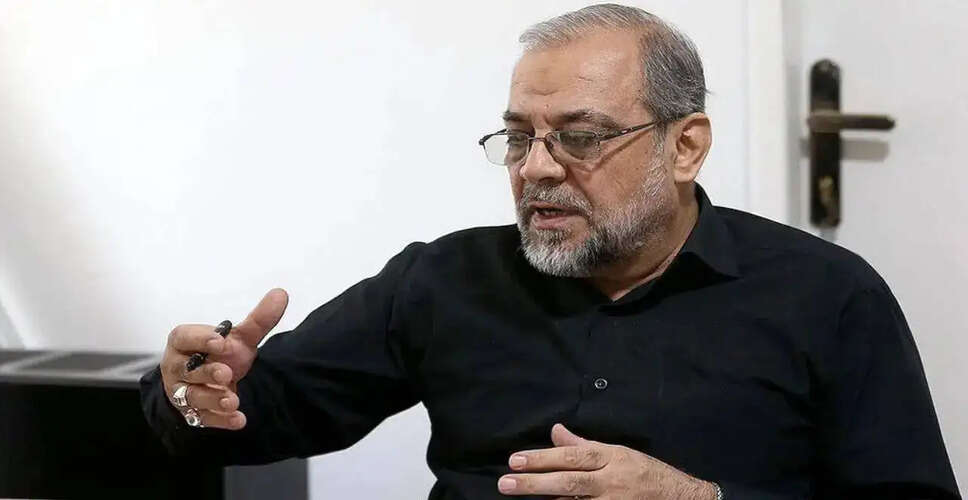
Recent comments from Mohammad-Bagher Ghalibaf, the Speaker of Iran's Parliament, have ignited discussions in global financial circles, particularly in light of escalating tensions between Iran and the United States. In a thought-provoking post on X (formerly Twitter), Ghalibaf questioned the widely held belief that US Treasury bonds serve as the ultimate safe haven during crises.
The core of this debate revolves around whether investors are guided by solid financial fundamentals or merely by market sentiment when they flock to US government bonds in times of uncertainty. Ghalibaf's post, rich in financial jargon, quickly attracted the attention of market analysts and traders. He stated, "Vibe-trading digital oil is like vibe-hedging in treasuries during Hormuz risk-off. Both share one house of cards that works on paper. Difference: oil at least has Dated Brent. Treasuries? Vibes all the way down. EUCRBRDT Index GP."
Vibe-trading digital oil is like vibe-hedging in treasuries during Hormuz risk-off. Both share one house of cards that works on paper. Difference: oil at least has Dated Brent. Treasuries? Vibes all the way down.EUCRBRDT Index GP <GO>
— محمدباقر قالیباف | MB Ghalibaf (@mb_ghalibaf) April 19, 2026
In his remarks, Ghalibaf compared two common market reactions during crises: the tendency of investors to purchase oil amid Middle Eastern conflicts and their inclination to invest in US Treasuries when uncertainty rises. He argues that while oil prices are supported by physical benchmarks like Dated Brent, Treasuries are largely influenced by market sentiment and expectations.
Historically, US Treasury bonds have been regarded as a safe haven during periods of global instability. These bonds, backed by the US Department of the Treasury, are considered secure due to the government's robust credit rating and the high liquidity of its bond markets. During risk-off periods, investors typically withdraw from equities and redirect their funds into these bonds, a trend observed during wars, financial downturns, and economic shocks. However, Ghalibaf's comments prompt a critical inquiry: is this behavior based on genuine financial strength or is it a reflection of entrenched investor psychology?
Strait Of Hormuz Tensions
The timing of Ghalibaf's statement is particularly significant. Recent events surrounding the Strait of Hormuz have led to increased volatility in energy markets. This narrow passage is crucial for a substantial portion of the world's crude oil supply, making it highly susceptible to geopolitical tensions. Iranian state media reported that the Speaker's remarks emphasize Tehran's strategic influence over global energy supplies. The rising tensions in the region have once again demonstrated how swiftly markets can react to perceived risks, often before any tangible economic effects are felt.
For market participants, the key takeaway is not to dismiss US Treasuries outright but to gain a deeper understanding of how financial systems respond under pressure. This situation illustrates that market movements are frequently driven by sentiment and established patterns, with prices capable of changing rapidly, even before actual economic shifts occur. Geopolitical events can challenge long-held beliefs about what constitutes a 'safe' asset.