
Iran's New Toll System for Strait of Hormuz: Implications for Global Trade
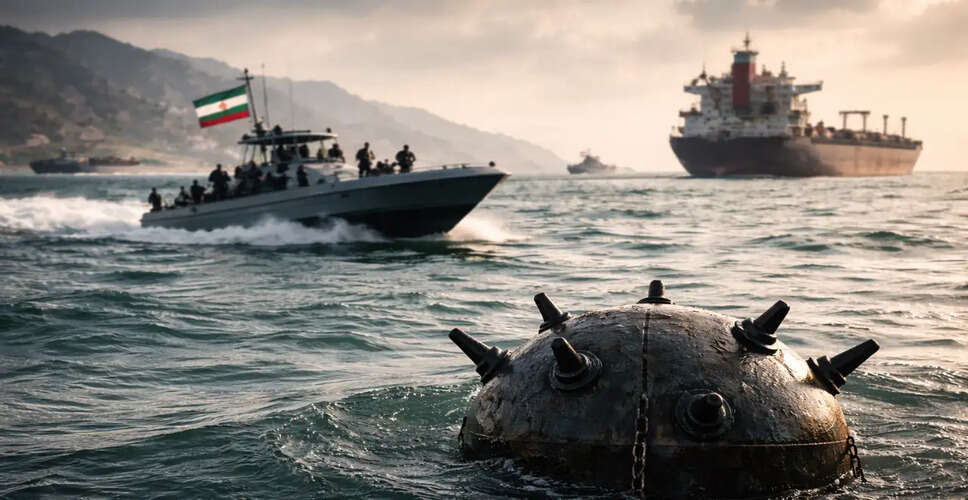
Iran's Strategic Move in Maritime Trade
In light of rising geopolitical tensions, Iran is set to implement a formal toll system for vessels navigating the vital Strait of Hormuz. This initiative could dramatically alter global trade and energy dynamics. Reports indicate that Iranian lawmakers are working on legislation that would mandate ships to pay a fee for safe passage through this narrow channel, which links the oil-abundant Persian Gulf to global markets.
The anticipated law is nearing completion and aims to formalize Iran's authority over one of the world's most critical maritime corridors. The Strait of Hormuz is responsible for a significant portion of global oil and gas transport, meaning any changes in regulation or fees could have far-reaching effects on international markets.
This development occurs against the backdrop of ongoing conflicts involving the United States and Israel, which have severely impacted maritime operations in the area. Since tensions escalated, the number of vessels traversing the strait has plummeted, with only a few ships managing to pass—mostly those associated with Iran or those that have obtained special permissions.
Industry insiders report that Iran has been informally requesting payments from ships, with tolls reportedly reaching up to $2 million per vessel. These fees, often negotiated through intermediaries, have included demands for comprehensive details about cargo, crew, and travel plans. The new legislation would formalize this practice, transitioning it from an informal arrangement to an official policy.
For the international shipping sector, this proposal presents intricate challenges. While shipowners are keen to transport stranded goods and ensure crew safety, they also face considerable risks. Paying these tolls could expose companies to sanctions or legal issues, especially under international maritime laws that uphold the principle of free navigation through essential waterways.
Experts caution that this initiative could disrupt global trade patterns and exacerbate energy prices. The price of benchmark Brent Crude has already risen due to supply concerns, highlighting the market's sensitivity to regional developments. The decline in traffic through the strait has also resulted in production reductions in parts of the Persian Gulf and damage to refining facilities.
Ultimately, Iran's toll system introduces a new layer of unpredictability to an already unstable situation. It remains uncertain whether global shipping companies will adhere to these new requirements—and at what financial cost—but the ramifications for trade, energy security, and international law are significant.