
Iran's Economic Revival: A New Agreement with the US
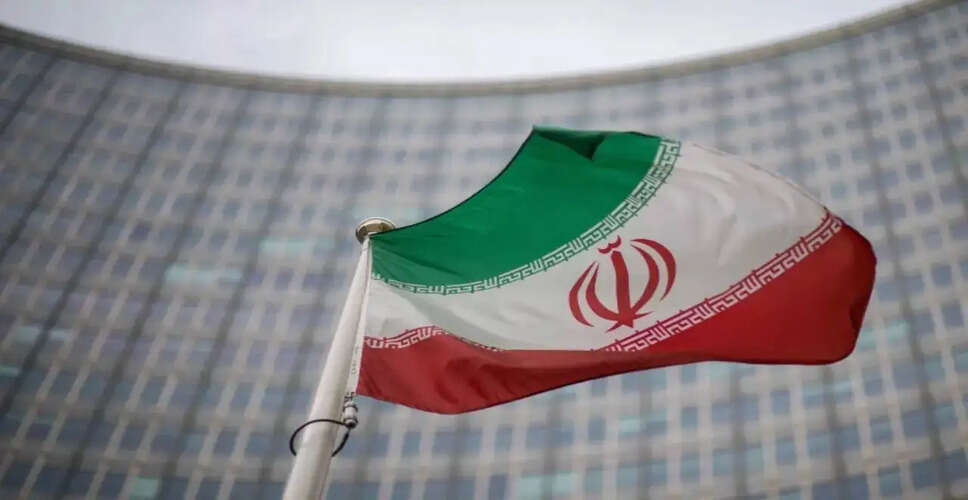

A New Dawn for Iran's Economy
In the wake of a 16-week conflict involving the United States and Israel, a recently established framework agreement between Washington and Tehran may herald a transformative economic shift for Iran. Should this agreement, negotiated between US President Donald Trump and Iranian President Masoud Pezeshkian, withstand ongoing diplomatic and regional hurdles, Iran could experience significant sanctions relief, renewed access to international markets, and an influx of billions in economic aid, as reported by a leading news outlet.
A Potential End to Decades of Isolation
For many years, Iran has endured some of the harshest sanctions globally due to its nuclear ambitions and support for militant factions. These sanctions have drastically curtailed the nation's oil exports, banking activities, and access to global finance. The new framework could see the lifting of sanctions on Iranian oil exports and financial dealings, enabling Tehran to re-engage with the global economy and attract foreign investments. Additionally, the agreement outlines plans to release billions of dollars in Iranian assets that have been frozen. The United States has also committed to collaborating with regional allies on a proposed $300 billion fund aimed at reconstructing and revitalizing Iran's war-affected economy.
New Opportunities Through the Strait of Hormuz
One of the most notable aspects of the agreement pertains to the Strait of Hormuz, a crucial oil transit route. Iran may gain the authority to levy fees on commercial vessels navigating this strategic waterway, potentially generating a significant new revenue stream for the government. This proposal, once deemed improbable, has surfaced amid broader discussions focused on regional stability.
Economic Relief for Ordinary Iranians
In the coming months, negotiators are expected to finalize the agreement while implementing measures to build confidence and alleviate pressure on Iran's approximately 90 million citizens. The reopening of maritime trade routes, the easing of oil export restrictions, and the release of some frozen assets could offer immediate relief. Iranian enterprises would find it easier to access imported goods, while consumers might enjoy lower prices as black-market premiums diminish.
Challenges Ahead
However, economists warn that sanctions are not the sole reason for Iran's economic woes. Years of mismanagement, corruption, lack of investment, and political oppression have also led to soaring inflation, high unemployment, and persistent social unrest. The conflict has further devastated essential energy, transportation, and industrial infrastructure, creating significant reconstruction demands across the nation. Analysts caution that progress hinges not only on successful negotiations but also on how Iran's leadership navigates the economy and its ties with the international community.
Financial Access: The Key to Transformation
While renewed oil exports would provide essential revenue for the government, many economists argue that lifting financial sanctions could yield an even more profound impact. Restoring access to international banking systems would enable Iranian businesses and entrepreneurs to engage more freely in global trade, attract investments, create jobs, and boost exports. With its currency undervalued and a substantial domestic market, Iran could enhance its competitiveness in global manufacturing and commerce if sanctions are lifted and economic reforms are implemented. For now, the agreement is still evolving, but if negotiations succeed, Iran could be on the brink of overcoming decades of economic isolation and reintegrating into the global economy in a manner that once seemed unattainable.