
Iran Urges India to Release Seized Tankers Amid Strait of Hormuz Negotiations
Iran's Request for Tanker Release
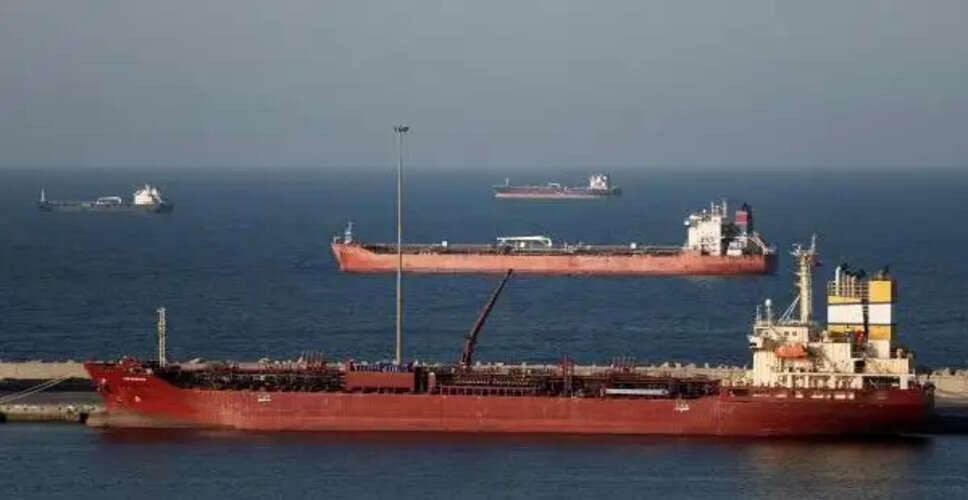
Iran has formally requested that India release three tankers that were seized in February. This request is part of ongoing discussions aimed at ensuring the safe passage of vessels flagged by India or destined for India through the Strait of Hormuz, as reported by three sources familiar with the situation. The Indian government had detained these tankers, which were linked to Iran, on the grounds that they had allegedly concealed their identities and were engaged in illegal ship-to-ship transfers at sea.
Additionally, Tehran has expressed a need for specific medicines and medical supplies, as indicated by an Iranian official. On Monday, Iran's ambassador to New Delhi held discussions with officials from the Indian foreign ministry regarding these matters. External Affairs Minister S. Jaishankar clarified that India does not maintain a comprehensive agreement with Iran for the transit of Indian-flagged vessels through the Strait of Hormuz, emphasizing that each ship's movement is treated as a separate event. Recently, Iran permitted two Indian liquefied petroleum gas (LPG) tankers to navigate through the strait, with one returning to western India on Monday.
Since the onset of the conflict in Iran, maritime traffic around the Strait has significantly diminished. When asked about the ongoing negotiations to facilitate the passage of Indian ships, foreign ministry spokesperson Randhir Jaiswal remarked that the recent movements signify a longstanding history of mutual engagement.