
InterGlobe Aviation Reports Q1 Loss Amid Rising Costs

InterGlobe Aviation's Financial Performance
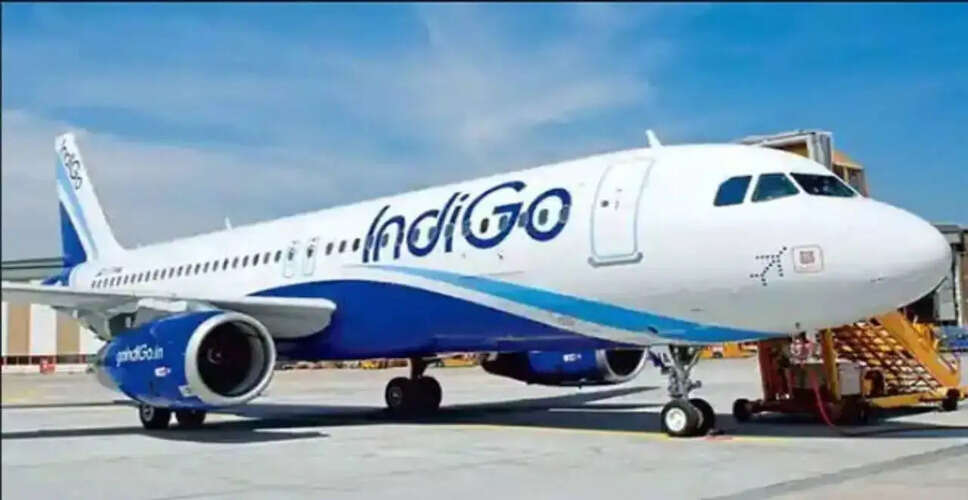
InterGlobe Aviation, the parent organization of IndiGo, India's leading airline, has announced a consolidated net loss of Rs 238 crore for the first quarter of FY27. This marks a significant downturn from the net profit of Rs 2,176.3 crore reported during the same quarter last year. The drop in profitability occurred despite a substantial rise in revenue, primarily due to soaring fuel costs and various operational hurdles that escalated expenses during this period.
The airline pointed to high aviation fuel prices, adverse foreign exchange fluctuations, and travel disruptions stemming from the ongoing conflict in the Middle East as key factors contributing to its disappointing financial results. Despite the loss, InterGlobe Aviation experienced robust growth in overall income, which rose to Rs 25,614.1 crore in the April-June quarter, up from Rs 21,542.6 crore in the same quarter of the previous fiscal year.
Passenger demand remained strong, with ticket revenue increasing by 23% year-on-year to Rs 21,878.6 crore. Additionally, revenue from ancillary services, which includes non-ticket offerings, grew by 13.9% to Rs 2,453.4 crore, reflecting consistent customer demand and enhanced contributions from supplementary services. However, this revenue growth was overshadowed by a significant rise in overall expenses, which surged by 34% compared to the same quarter last year, exerting substantial pressure on the company's financial performance.
Rising Fuel Costs Impact Profitability
A major factor behind the increased costs was the price of aircraft fuel, which nearly doubled to Rs 10,833 crore during the quarter, compared to Rs 5,833 crore a year prior. Although the airline's foreign exchange losses decreased to Rs 83 crore from Rs 147 crore in the previous year, this reduction was insufficient to mitigate the effects of escalating operational costs. The operational performance also showed signs of decline, with earnings before finance income and costs, tax, depreciation, amortization, and aircraft engine rental (EBITDAR) falling to Rs 3,833 crore from Rs 5,739 crore in the same quarter last year. Consequently, the EBITDAR margin sharply contracted to 15.6%, down from 28% in the corresponding period of FY26.
Capacity saw a modest increase of 2.9% to 43.5 billion during the quarter, while passenger traffic rose by only 0.7% to 31.3 million, indicating a slowdown in demand growth compared to previous periods.
Future Capacity Expectations
Looking ahead, the airline anticipates that capacity growth will remain flat in the second quarter of FY27. The company indicated that Available Seat Kilometres (ASKs) are expected to remain largely unchanged from the same quarter last year. This outlook is influenced by seasonally weaker travel demand and ongoing operational uncertainties affecting flights between India and West Asia, which are likely to keep aircraft utilization lower during this period. Nevertheless, the company is optimistic that operations will improve once the seasonal slowdown concludes, with expectations for increased aircraft utilization as the airline moves past this weaker quarter.