
India's Retail Inflation Sees Increase to 4.38% in June Due to Rising Food Prices

Overview of Retail Inflation in India
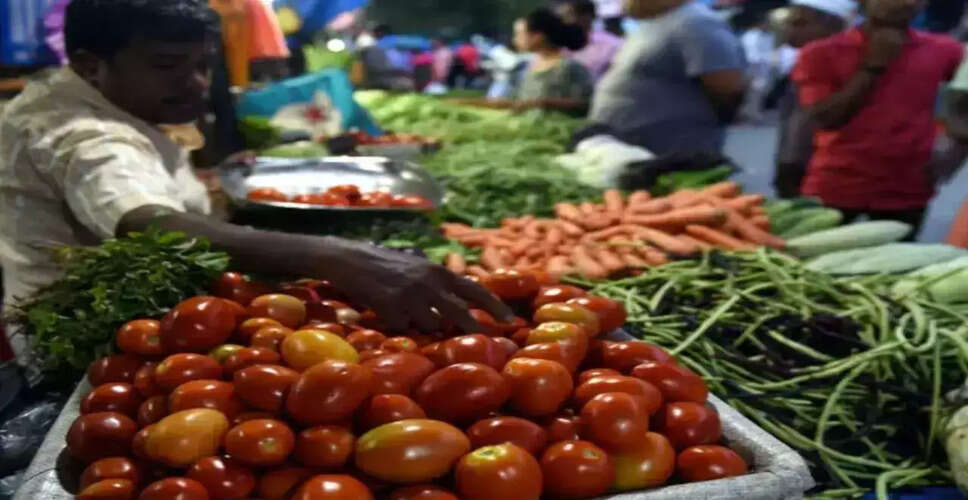
According to the Ministry of Statistics and Programme Implementation (MoSPI), India's retail inflation climbed to 4.38% in June, primarily driven by escalating food prices. The inflation rates for rural and urban areas were recorded at 4.74% and 3.92%, respectively. The year-on-year inflation rate, based on the All India Consumer Food Price Index (CFPI) for June 2026 compared to June 2025, stood at 5.32%. Among various food items, ginger saw the most significant price surge, with inflation soaring to 50.41% in June from 32.50% in May. Additionally, tomato inflation was reported at 31.92% year-on-year, while raisin and monacca inflation reached 20.52%. The food and beverages category experienced an inflation rate of 5.05%, while restaurants and accommodation services noted a 6.91% inflation rate. Personal care, social protection, and miscellaneous goods and services also remained high at 16.72%. Housing inflation was recorded at 2.10%, with rural and urban rates at 2.66% and 1.90%, respectively.
Rajeev Juneja, President of PHDCCI, commented on the situation, stating, "The rise in retail inflation for June 2026 is mainly due to increased food prices. Although the overall inflation is within the Reserve Bank of India's acceptable range, persistent food inflation requires ongoing policy focus." Sujan Hajra, Chief Economist and Executive Director at Anand Rathi Group, noted, "India's CPI inflation surged to 4.4% in June 2026, a significant rise from 3.9% in May 2026, slightly exceeding market expectations of around 4.3%. This increase was largely influenced by higher food and fuel prices, with food inflation rising to 5.3% from 4.8% the previous month, primarily due to a rise in cereal prices. Fuel inflation also increased to 2.0% from 1.7%, reflecting the recent uptick in global crude oil prices. Price pressures were evident in services such as restaurants and accommodation during this period. Looking ahead, food inflation may be susceptible to weather-related challenges, including potential impacts from El Niño on agricultural production."
While the headline inflation has surpassed the RBI's medium-term target of 4%, it remains comfortably within the central bank's tolerance band of 2%-6%. Given the changing inflation landscape, it is anticipated that the Monetary Policy Committee (MPC) will continue to monitor the situation closely and adopt a data-driven approach before making any further policy decisions.