
India's Push for Ethanol in Household Cooking: A Sustainable Future
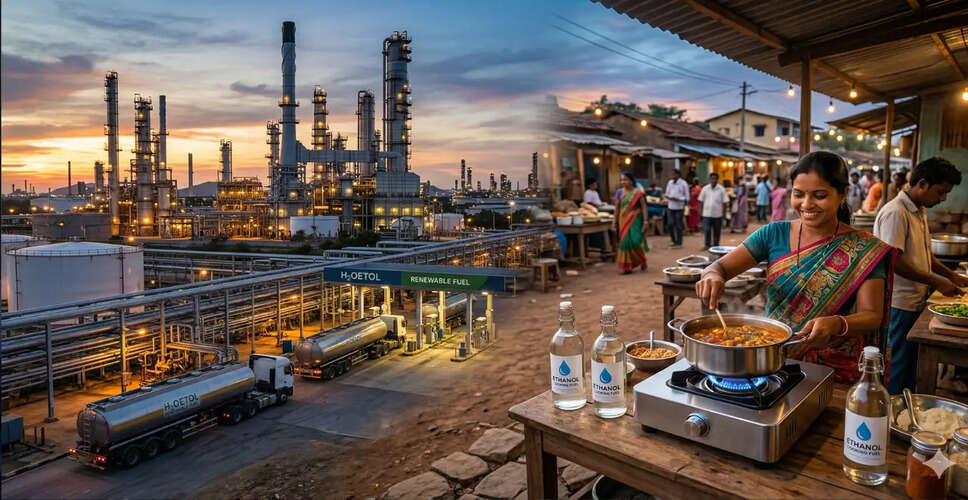
Ethanol as a Sustainable Cooking Alternative
The petroleum industry in India is actively investigating the use of ethanol as a cleaner substitute for traditional cooking methods, aiming to lessen the dependency on imported LPG and enhance the biofuel landscape in the country. During a recent industry conference, R S Ravi from the Federation of Indian Petroleum Industry highlighted the advancements being made in developing ethanol-based cooking solutions.
Research institutions, including various IITs and the LPG Equipment Research Centre, are working on creating efficient stoves compatible with ethanol, with prototypes anticipated shortly. Ravi called on the distillery sector, represented by the All India Distillers’ Association, to engage more proactively in this initiative by collaborating with manufacturers to mass-produce these stoves and establishing a reliable supply chain for delivering ethanol directly to consumers.
Ravi emphasized that this initiative requires a shift from bulk industrial supply to a consumer-oriented distribution model, noting that logistics, packaging, and last-mile delivery will be crucial for making ethanol a practical cooking fuel.
This proposal aligns with India's ongoing efforts to enhance its ethanol blending program, which has already introduced 20% ethanol-blended petrol (E20). Ravi acknowledged the distillery sector's support in this transition and mentioned new regulations that will require E20 fuel to meet a minimum octane rating starting April 2026.
In addition to transportation fuels, both the government and industry are investigating ethanol's potential in diesel blending and sustainable aviation fuel. However, Ravi pointed out that household cooking represents an immediate opportunity for expanding ethanol's application.
If successfully executed, the use of ethanol for cooking could either complement or partially replace LPG, especially in rural and semi-urban regions, thereby helping to lower import costs, reduce emissions, and bolster India's energy security. This initiative reflects a broader movement towards diversifying energy sources, with enhanced collaboration between oil companies and distillers deemed essential for establishing ethanol as a mainstream cooking fuel in India.