
India's New PLI Scheme for Specialty Steel Set to Boost Production
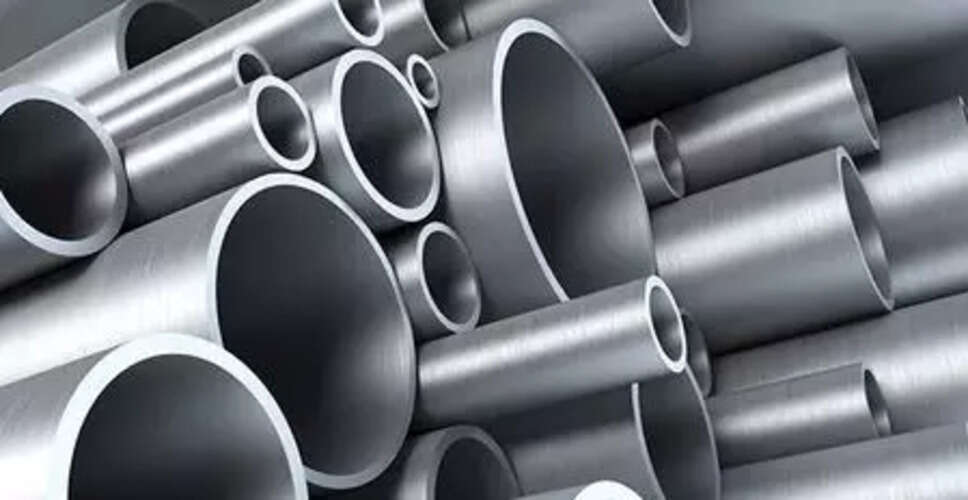
Launch of the PLI Scheme for Specialty Steel
New Delhi, Nov 4: The Indian government is preparing to unveil the third phase of its production-linked incentive (PLI) scheme for Specialty Steel on Tuesday, a significant step aligned with the Atmanirbhar Bharat initiative.
Union Minister H.D. Kumaraswamy will oversee the launch of PLI 1.2, which will include participation from senior officials and various stakeholders in the steel industry, as stated by the Ministry of Steel.
This PLI Scheme for Specialty Steel, which received approval from the Union Cabinet in July 2021, has a total budget of Rs 6,322 crore and aims to position India as a leading global producer of high-value and advanced steel grades.
To date, the scheme has garnered a committed investment of Rs 43,874 crore, with Rs 22,973 crore already utilized, resulting in the creation of over 13,000 jobs through the initial two phases.
The initiative encompasses 22 product sub-categories, including super alloys, CRGO, alloy forgings, stainless steel (both long and flat), titanium alloys, and coated steels.
Incentive rates will vary from 4% to 15%, applicable for five years starting from FY 2025–26, with disbursements commencing in FY 2026–27.
Additionally, the base year for pricing has been updated to FY 2024–25 to align with current market trends.
The PLI scheme is designed to encourage increased production and investment in specified product categories, thereby boosting domestic value addition and decreasing reliance on imports in vital sectors such as defense, power, aerospace, and infrastructure.
Furthermore, India aims to reach a crude steel production capacity of 300 million tonnes by 2030. The domestic demand for steel is currently growing at an impressive rate of 11-13%, driven by extensive infrastructure projects, while global demand is experiencing a downturn, according to the Steel Ministry.
In September, steel production saw a significant increase of 14.1% compared to the same month last year, largely due to heightened demand from major infrastructure initiatives undertaken by the government.