
India's Innovative Approach to Mine Closure: A Path to Sustainable Development
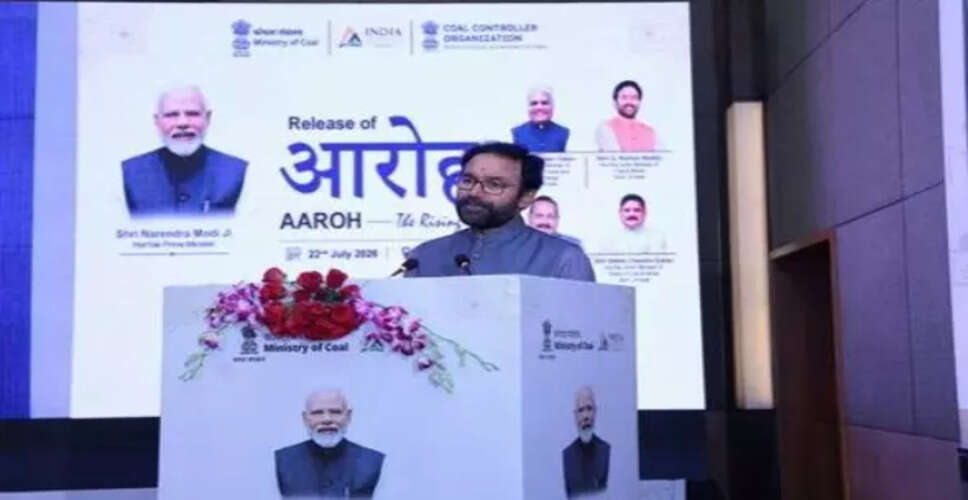

Transforming Mine Closure into Opportunities
Photo: @ians_india/X
New Delhi, July 23: The Indian government has redefined the concept of mine closure, perceiving it not merely as the conclusion of mining activities but as a gateway to new prospects for individuals, communities, and sustainable growth.
G Kishan Reddy, the Union Minister for Coal and Mines, emphasized that scientific mine closure is a national imperative and a cornerstone of the Viksit Bharat 2047 vision. He noted that India has successfully closed 42 coal mines scientifically, with 33 of these closures occurring in the past year, and aims to close an additional 147 mines in the next two to three years.
Reddy pointed out that the Ministry has established a robust framework for mine closure, which includes the RECLAIM Framework, the SUVIKALP digital platform, the ARTHA Framework, and Mine Closure Advisory Committees led by District Collectors. The Mine Closure Guidelines, set for 2025, prioritize people and sustainability in the closure process.
In a significant move, 25% of the sanctioned mine closure budget has been allocated for community development, potentially generating an investment of nearly Rs 10,000 crore over the next decade, as announced during the launch of the ‘AAROH: Annual Report on Mine Closure’.
The minister also revealed that a dedicated fund exceeding Rs 40,000 crore has been established for scientific and progressive mine closure, underscoring the government's commitment to environmentally sound mining practices, ecological restoration, and the socio-economic upliftment of regions impacted by mining.
Reddy mentioned that reclaimed mining sites across India are being utilized for various purposes, including renewable energy projects, eco-tourism, water conservation, agriculture, community infrastructure, and sustainable livelihood initiatives.
He referenced global best practices, particularly Germany's approach to mine closure and Just Transition, stating that the collaboration between the Ministry of Coal and GIZ aims to merge Germany's expertise with India's scale and policy leadership to develop a unique Indian model of mine closure that emphasizes environmental protection, technological advancement, community involvement, and economic growth.
Union Minister Dr. Jitendra Singh praised the Ministry of Coal for its forward-thinking policies regarding scientific mine closure, highlighting that the successful closure of 42 coal mines illustrates how degraded mining lands can be revitalized into productive assets through ecological restoration, afforestation, water conservation, renewable energy, and other sustainable community-focused initiatives.