
India's Growing Pharmaceutical Dominance Amidst US-China Trade Tensions
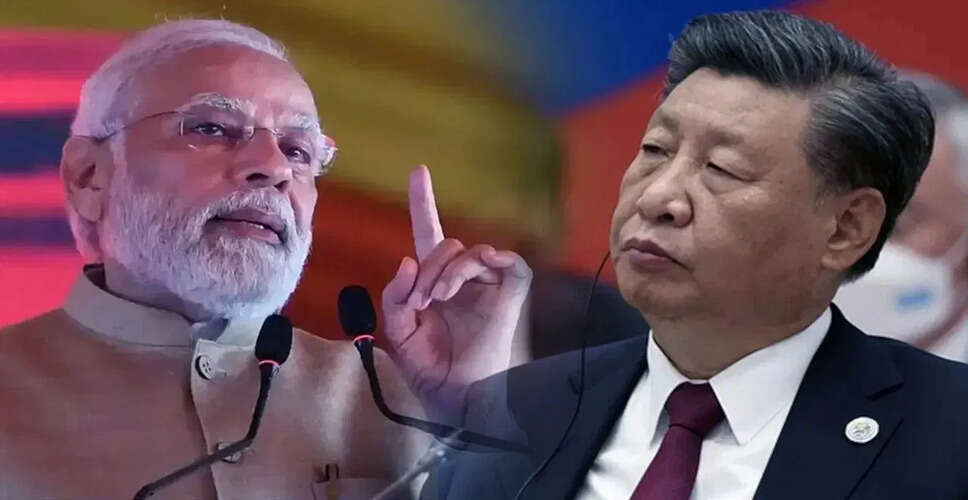
India Competes with China in Multiple Sectors
India is increasingly challenging China across various sectors, particularly during a time of escalating trade tensions between the US and China. Notably, India's pharmaceutical industry is gaining significant global traction, a space that was once dominated by China. Indian pharmaceutical companies are rapidly advancing in medicine development and forming partnerships with foreign firms. The trust in Indian medications is rising among numerous countries, indicating that these products are becoming a considerable challenge for China.
Suven Pharmaceuticals Expands Its Reach
In April, Vivek Sharma, Executive Chairman of Suven Pharmaceuticals, was engaged in discussions for a major deal with a foreign company that manufactures essential pharmaceutical supplies. Based in Hyderabad, Suven is looking to acquire technologically advanced firms to enhance its capabilities in producing medicines for the US and European markets.
Acquisition of NJ Bio Inc.
Suven Pharmaceuticals has successfully expanded its presence in the US. In December, the company acquired a majority stake in NJ Bio Inc., a research-based firm located in Princeton that specializes in cancer medications, for approximately $65 million. This acquisition has positioned Suven among the leading Contract Development and Manufacturing Organizations (CDMOs), which are responsible for producing medicines for other pharmaceutical companies, managing everything from manufacturing to marketing.
Biocon's Strategic Acquisition
Biocon, another major player in India's pharmaceutical sector, has also made significant moves. Its subsidiary, Syngene International, has acquired Emergent BioSolutions, a Baltimore-based company that produces medicines related to proteins and genes, for $36.5 million. According to Peter Bains, MD and CEO of Syngene International, this acquisition will facilitate their expansion in the US market and help increase their customer base.
Focus on Western Markets
Several Indian CDMO companies are assisting major pharmaceutical firms in Western countries with medicine production. These CDMO firms are actively seeking acquisitions in the US and Europe to enhance their production capacity. Experts suggest that CDMO executives in India are on the lookout for companies specializing in cancer, gene therapy, and biotechnology.
Reducing China's Influence
Countries, including India, are keen on diminishing China's dominance in this sector, prompting a shift in their supply chains. The reliability of China in the global market has significantly declined, especially given the strained relations between China, the US, and Europe. Consequently, both the US and Europe are inclined to produce medicines closer to home.
Western Pharmaceutical Companies' Strategies
According to a report by consulting firm Loestro, pharmaceutical companies in Western nations are establishing factories domestically to avoid supply chain disruptions and ensure compliance with regulations. Recently, former President Donald Trump mandated pharmaceutical companies to reduce drug prices within 30 days. Analysts believe this will lead these companies to seek partnerships in India to lower both research and production costs.