
India's Government Cuts Fuel Duties Amid Rising Oil Prices
Impact of Middle East Conflicts on Oil Prices
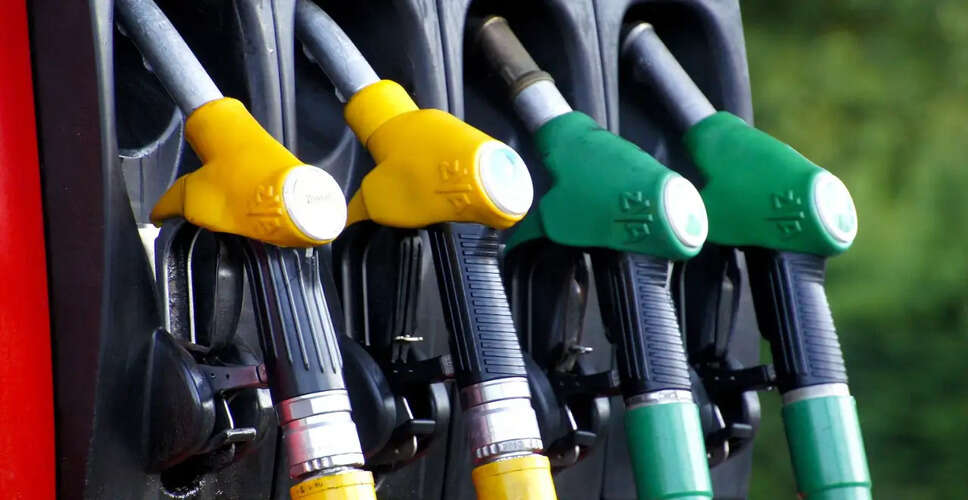
The ongoing conflicts in the Middle East have significantly disrupted operations at major oil refineries, resulting in a surge in global oil prices. This situation poses a serious challenge for countries like India, which heavily rely on crude oil imports. In response to the escalating financial strain caused by rising crude oil prices, the Indian government has decided to reduce the excise duty on petrol and diesel sold by oil companies by Rs 10. The current duty on petrol, which stands at Rs 21.90 per litre, will be lowered to Rs 11.90 per litre, while the duty on diesel will decrease from Rs 17.80 to Rs 7.80 per litre. It is important to note that this duty reduction applies only to fuel purchased at gas stations and does not account for other price increases.
This adjustment in duties aims to alleviate the financial burden on consumers, preventing significant price hikes at the pump despite the soaring crude oil prices. The average price of crude oil in India rose sharply, from $69 a barrel in February 2026 to $123 a barrel by March, with some prices peaking at $147 on March 24.
While the government is taking steps to ease the burden on consumers through reduced excise duties, it is also implementing windfall taxes on oil exports. Finance Minister Nirmala Sitharaman recently announced a tax of Rs 21.5 per litre on diesel and Rs 29.5 per litre on aviation turbine fuel (ATF) for exports. This measure aims to ensure adequate availability of diesel and jet fuel within India rather than allowing them to be exported for higher profits.
Madhavi Arora, Chief Economist at Emkay Global, noted that the excise duty reduction will help oil marketing companies mitigate 30-40% of their current losses stemming from high crude oil prices. However, this relief will come at a significant cost to the government, estimated at nearly Rs 1.7 trillion annually. The newly imposed windfall taxes on exports are anticipated to recover about half of this amount.
The situation remains precarious as the conflict in West Asia continues. In addition to the Strait of Hormuz, Iran has threatened to disrupt shipping through the Bab el-Mandeb strait, another critical route for global oil supplies. Should crude prices remain elevated, the repercussions for India could be severe. Emkay Research has projected various scenarios, indicating that if Brent crude averages $90 per barrel, India's current account deficit could rise from 1.3% to 1.9% of GDP, retail inflation might increase from 4.1% to 4.5%, and the Balance of Payments could shift from a surplus of $15 billion to a deficit of $63 billion.
Currently, the reduction in excise duties is expected to prevent significant increases in petrol and diesel prices at the pump, which would otherwise impact transportation and the prices of essential goods across the country. Consumers are already experiencing the indirect effects of increased travel costs and daily expenses. The duration of this relief will largely depend on the resolution of conflicts in the Middle East and any potential decrease in global oil prices.