
India's Gold Imports Plummet Following Duty Increase

Significant Drop in Gold Imports
In New Delhi, recent reports indicate that India's gold imports have sharply decreased by approximately 70%, now ranging between 25 to 30 tonnes. This decline follows a substantial increase in customs duty on gold, which has risen from 6% to 15% as of May 13. An official noted that imports have dropped from the previous 75 to 100 tonnes.
Despite the volume reduction, the monetary value of gold imports surged by 34% year-on-year, reaching USD 3.41 billion in May, largely due to rising gold prices. For the period of April to May 2026-27, the total value of gold imports skyrocketed by 60.14%, totaling USD 9.04 billion. In the last fiscal year, gold imports hit a record high of USD 71.98 billion, although in terms of volume, there was a slight decline of 4.76%, totaling 721.03 tonnes.
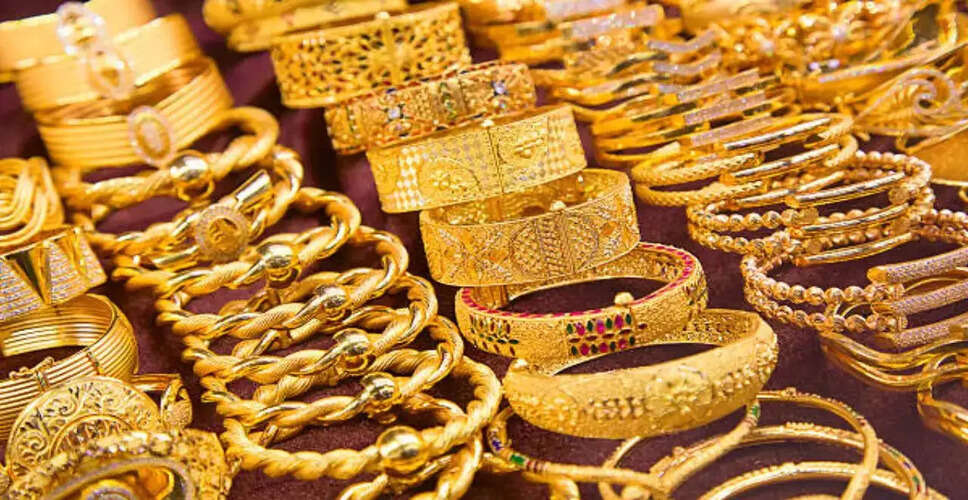
As the second-largest gold consumer globally, following China, India's gold imports are primarily driven by the demand from the jewellery sector. These imports significantly impact the country's foreign exchange reserves. The recent duty hike aligns with Prime Minister Narendra Modi's initiative to reduce gold purchases and implement austerity measures aimed at minimizing unnecessary foreign exchange spending.
Gold constitutes over 5% of India's total imports, and ongoing uncertainties in West Asia are likely to exacerbate the country's import expenses. The government is focusing on prioritizing foreign exchange for essential imports, including crude oil, fertilizers, industrial raw materials, and capital goods that are crucial for economic stability and food security.