
India's Ethanol Blending Initiative: A Step Towards Energy Independence

Ethanol Blending's Economic Impact
A recent KPMG report reveals that India's ethanol blending efforts have resulted in savings of nearly Rs 1.67 lakh crore in foreign exchange. This initiative has replaced approximately 283 lakh metric tonnes of crude oil and has helped avoid around 851 lakh tonnes of CO₂ emissions. Additionally, it has bolstered rural incomes through the ethanol value chain, enhancing the connection between agriculture and energy, and increasing the domestic contribution to transport fuel value creation.
Transitioning to a Multi-Grade Ethanol System
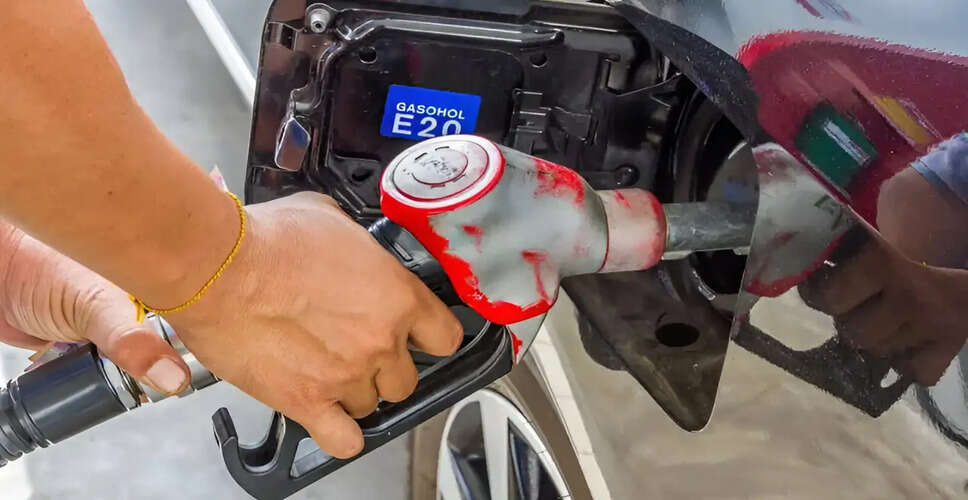
The report emphasizes that E20 is just the beginning of a broader transition. Recent policy advancements, such as the introduction of higher ethanol blending standards (E22–E30) and the promotion of flex-fuel pathways (E85/E100), indicate a move towards a more diversified ethanol fuel system. The launch of flex-fuel vehicles in both two-wheeler and passenger segments, along with the initial rollout of E85 dispensing infrastructure, marks significant progress towards a multi-grade ethanol fuel ecosystem.
Challenges Ahead
Despite these advancements, the KPMG report identifies several structural challenges that hinder progress beyond E20. The reliance on food-linked and resource-intensive inputs limits scalability, while the current system is not equipped for multi-grade fuel distribution. Additionally, the limited adoption of flex-fuel vehicles poses a barrier to higher-blend ethanol usage. The report, titled “Beyond E20 – Repositioning Ethanol as India’s Transport Energy Backbone,” suggests that achieving the E20 blending target ahead of schedule is just the start of a new phase that could reduce India's vulnerability to global crude oil price fluctuations and enhance energy security.