
India's Energy Transformation: Embracing Solar Power for a Sustainable Future

A New Era in India's Energy Landscape
New Delhi: For many years, India's energy narrative has been complicated by a significant challenge. The nation relies on imports for approximately 85% of its crude oil and nearly half of its natural gas. This heavy dependence poses risks amid fluctuating prices and global uncertainties. However, this dynamic is beginning to change. A surge in renewable energy initiatives, a substantial increase in domestic solar manufacturing, and a nationwide push for rooftop solar installations are reshaping India's approach to energy security. Central to this initiative is the PM Surya Ghar: Muft Bijli Yojana, which aims to empower households with solar energy while simultaneously reducing reliance on imported fossil fuels. This initiative is integral to India's vision for a developed nation by 2047, intertwining economic growth, energy independence, and climate objectives into a cohesive strategy.
The impact of this initiative extends beyond national borders. During Prime Minister Narendra Modi's five-nation tour in May 2026, which included visits to the UAE, Netherlands, Sweden, Norway, and Italy, energy collaboration was a focal point, indicating a strong commitment to forging new partnerships and enhancing the resilience of India's energy supply.
Domestically, the progress has been remarkable. Solar manufacturing capacity has surged from a mere 2.3 GW in 2014 to approximately 172 GW today. This growth has enabled India to achieve a significant milestone ahead of schedule, with non-fossil energy sources now accounting for over half of the country's total installed power capacity, meeting the 2030 target five years early. The momentum continued last year, with India adding a record 55.3 GW of clean energy capacity in FY 2025-26 alone, bringing total renewable installations to over 283 GW, positioning the country among the leading renewable energy producers globally.
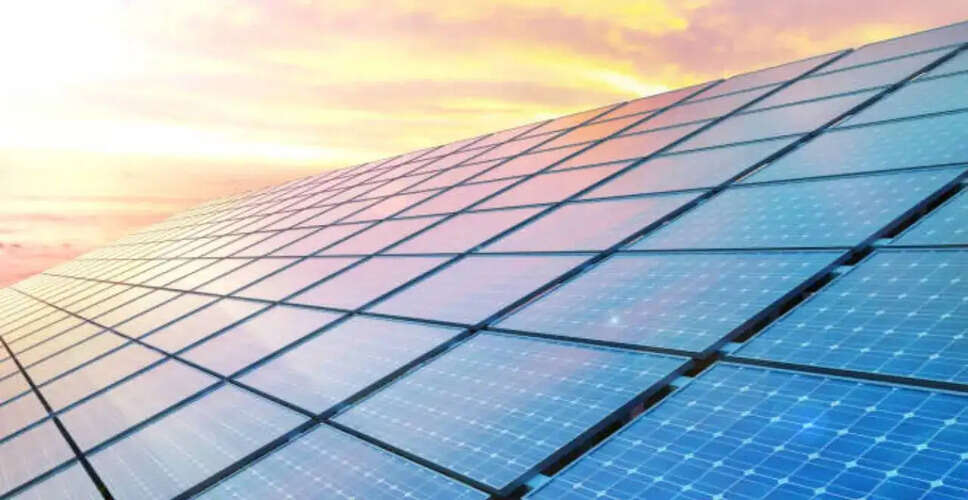
The most personal impact of this shift is evident on the rooftops of homes. The PM Surya Ghar initiative aims to solarize one crore households, providing financial assistance for rooftop solar installations, with subsidies reaching up to 60% directly to families. Additionally, the scheme offers up to 300 units of free electricity monthly, significantly reducing household energy expenses.
A notable change in perspective is occurring as well. With net metering, families can not only utilize the energy they generate but also sell surplus power back to the grid. For many, rooftop solar is evolving from a monthly cost into a potential income source.
Adoption rates have soared. Over 40 lakh households have installed rooftop solar systems under this initiative, contributing more than 12 GW to the grid. Monthly installations have escalated from around 15,000 in the initial phase to nearly 3 lakh today, with some days witnessing over 10,000 new installations.
The government has streamlined the process to facilitate this transition. Public sector banks are providing collateral-free loans at competitive rates, and digital approvals have minimized bureaucratic hurdles. The program also emphasizes supporting Indian manufacturing; only solar modules from approved domestic manufacturers qualify under the Approved List of Models and Manufacturers (ALMM), fostering demand for local producers and reducing import reliance.
Officials assert that the benefits extend beyond just lower electricity costs. As more households adopt solar energy, families can power appliances, induction stoves, and even electric vehicles with their own generated energy. Even a basic rooftop solar system can significantly meet a household's energy needs, decreasing reliance on LPG and other fuels.
On a larger scale, this transformation is crucial for the economy. India spends over USD 150 billion annually on crude oil and gas imports. Each unit of solar energy produced at home reduces this expenditure and provides a buffer against global price fluctuations. The expansion of clean energy is also generating employment opportunities; the solar sector currently supports nearly 1.9 lakh Suryamitras, with expectations of millions of green jobs emerging across the value chain in the coming years.
Moreover, the government is advocating for solar energy adoption among MSMEs, public institutions, and commercial entities through decentralized models and Renewable Energy Service Company (RESCO) frameworks, aiming to reduce diesel consumption and lower operational costs for businesses.
There is also a significant climate aspect to consider. If fully realized, the PM Surya Ghar initiative could prevent approximately 720 million tonnes of CO2 emissions, keeping India aligned with its climate commitments as one of the few major economies on track.
For many in the government, the overarching message is the convergence of energy security and self-reliance. What began as a climate initiative is increasingly recognized as a strategic imperative. By enhancing domestic manufacturing, expanding renewable energy, and making rooftop solar accessible to everyday families, India is striving to create an energy system that is less vulnerable to external shocks and more reliant on local capabilities. As we approach 2047, rooftop solar panels are evolving from mere energy sources to symbols of a broader transition: from dependence to self-sufficiency and from passive energy consumption to active energy production.