
India's Crude Oil Reserves Surge Amid Geopolitical Tensions

Significant Recovery in Crude Oil Reserves
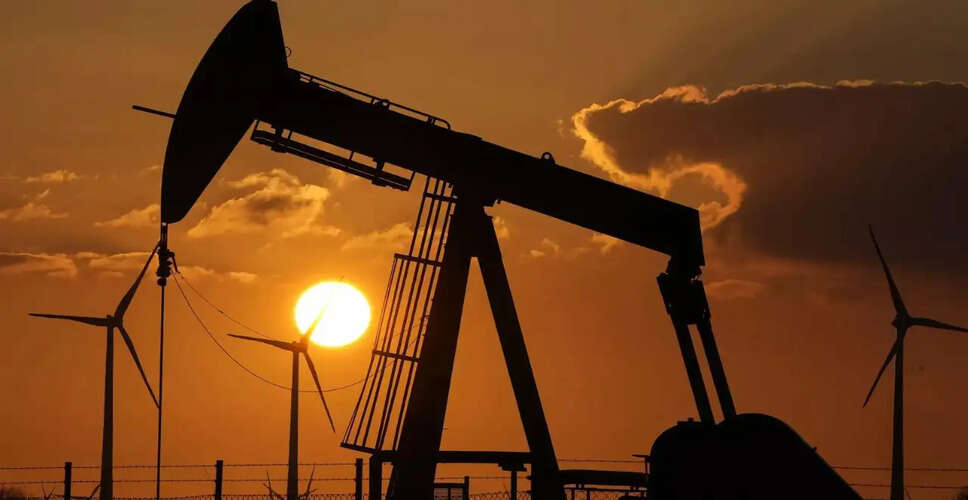
India's crude oil reserves have seen a remarkable rebound, nearing their peak levels from the past year, thanks to increased imports that have replenished stocks significantly depleted during the geopolitical turmoil of the June quarter. As per estimates from a commodity intelligence firm, the nation's crude oil inventory reached 104 million barrels by the end of June, a notable rise from the 90.5 million barrels recorded at the end of April. This data encompasses strategic petroleum reserves, refinery holdings, and commercial inventories, excluding crude stored in pipelines and cargoes still en route to India.
With an average daily crude oil consumption of about 5 million barrels, the current reserves are adequate to satisfy roughly 21 days of domestic demand. At the onset of the geopolitical crisis in February, when tensions with Iran escalated, India had a relatively robust reserve of 107 million barrels, marking the highest level in the previous year.
As the conflict disrupted global crude flows, domestic refiners leaned on stored inventories to sustain refinery operations. Consequently, crude stocks dwindled to 95.5 million barrels by the end of March and further decreased to 90.5 million barrels by the end of April. The decision to maintain refinery operations at high levels was aimed at ensuring uninterrupted fuel availability nationwide, which also helped prevent long queues at petrol stations and public dissatisfaction.
Oil Minister Hardeep Singh Puri confirmed the situation, stating, "By and large, there was no disruption or shortage or queues (at pumps)." Although there were isolated reports of fuel shortages in some states, the government attributed these issues to panic buying, customers switching from private retailers to state-run outlets, and bulk buyers purchasing fuel from retail stations.
Fears regarding a potential closure of the Strait of Hormuz led Indian refiners to proactively seek crude oil from alternative global suppliers. Given that nearly 40% of India's crude imports typically transit through this strategic waterway, companies acted swiftly to secure supplies, even at elevated prices. The availability of Russian crude, following a waiver of US sanctions, also mitigated the impact of supply disruptions, limiting the overall decline in imports.
Data indicates that crude imports dropped to 4.47 million barrels per day (mbd) in March from 5.2 mbd in February. Imports saw a slight recovery to 4.54 mbd in April, rebounding to 4.96 mbd in May, with June imports remaining stable at 4.93 mbd, signaling a gradual normalization of supply.
Improved Supply Outlook as Shipping Resumes
The outlook for crude supplies has brightened following an interim agreement between the United States and Iran, which has facilitated a partial restoration of shipping through the Strait of Hormuz. The reopening of these transit routes has alleviated concerns about prolonged disruptions to India's energy imports. Providing an update on shipping activities, Puri stated, "All our vessels are through," referring to cargoes that had previously faced delays in the Persian Gulf. He added, "We are now in a situation where it's not problematic." With inventories on the rise and crude imports stabilizing, India appears to have bolstered its energy security after navigating several months of uncertainty stemming from regional geopolitical tensions.