
Indian Stock Market Faces Significant Decline as Financial Year Ends
Market Overview
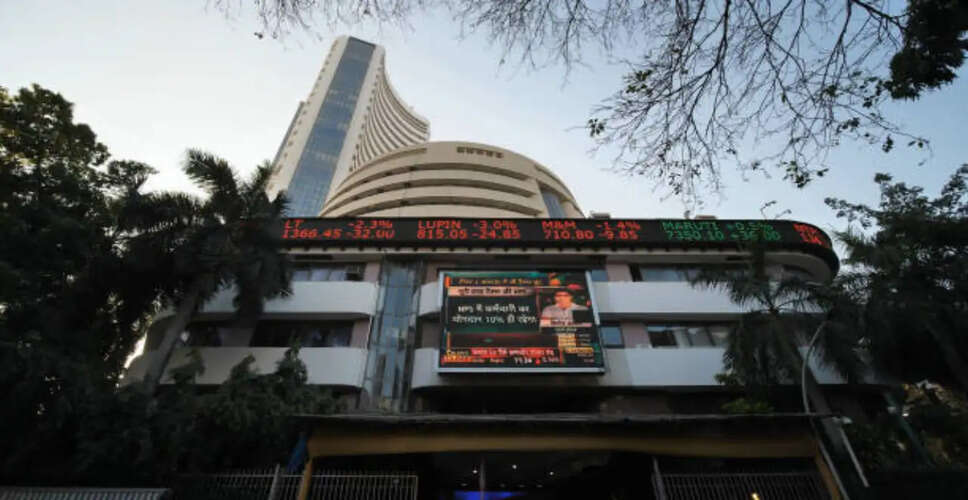
On the final trading day of the Financial Year 2026, the Indian stock market closed on a negative note, with the Sensex dropping by 1,730 points and the Nifty falling by 523 points, settling at 22,296. The Indian Rupee also reversed its earlier gains, reaching a record low of 95.22 during intra-day trading. By the end of the session, the Sensex was down 1,635.67 points, or 2.22%, at 71,947.55, while the Nifty decreased by 488.20 points, or 2.14%, to close at 22,331.40. Out of the total shares traded, 837 advanced, 3,419 declined, and 138 remained unchanged.
Sector-wise, all indices finished in the red, with declines ranging from 2% to 4% in sectors such as auto, FMCG, consumer durables, capital goods, telecom, real estate, private banks, and PSU banks. The Nifty Midcap and Smallcap indices also saw a decrease of approximately 2.6% each. Major stocks that suffered losses included Bajaj Finance, Axis Bank, Shriram Finance, State Bank of India, and InterGlobe Aviation, while Hindalco Industries, Coal India, ONGC, and Power Grid Corporation of India were among the few gainers.
Throughout the financial year 2025-26 (FY26), the Sensex experienced a decline of 4.9%, and the Nifty 50 fell by 2.97%. This downturn is reminiscent of the 23.8% drop in the Sensex during FY20 amid the Covid crisis.
Reasons Behind the Market Decline
What led to the bloodbath?
The significant drop in the stock market can be attributed to several factors, including ongoing tensions in West Asia, rising crude oil prices, and persistent foreign institutional investor (FII) outflows. The conflict in Iran has now entered its fifth week, exacerbating the crisis in the Middle East. The blockage of the Strait of Hormuz has caused Brent crude prices to rise by 3% to $115.98 per barrel, marking a 60% increase for the month. Meanwhile, US crude prices also climbed by 3% to $102.52, reflecting a 53% monthly rise.
Banking stocks faced significant declines, contributing to the overall market downturn. Financial institutions, including private and PSU banks, saw a drop of 2% to 2.5%. This decline was influenced by the Reserve Bank of India's recent decision to tighten position limits on onshore exposure, which raised concerns among bankers about potential disorderly unwinding of positions and associated losses.
On Friday, the Reserve Bank of India mandated that banks must limit their net open rupee positions in the foreign exchange market to $100 million by the end of each business day, with compliance required by April 10. Additionally, foreign investors continued to sell off their holdings, with provisional data indicating that they offloaded shares worth Rs 4,367 crore.
The weakening of the rupee also weighed heavily on the stock market, as it crossed the 95 per dollar threshold for the first time on March 30, closing at 95.2 per dollar, down 0.3% for the day. The rupee has depreciated by 4.4% against the US dollar in the March quarter.