
Indian Stock Market Faces Decline Amid Geopolitical Tensions

Market Overview
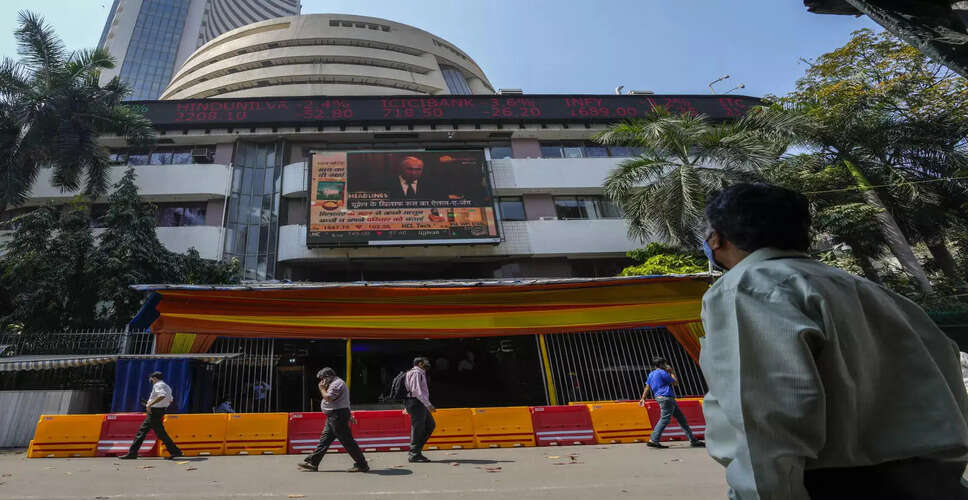
On Thursday, the Indian stock market concluded its two-day upward trend, opening lower with the Nifty index hovering around 23,100. The Indian rupee depreciated by 25 paise, settling at 95.52 against the US dollar, influenced by rising tensions between the US and Iran.
Dr. VK Vijayakumar, Chief Investment Strategist at Geojit Investments Limited, commented on the ongoing geopolitical issues in West Asia, noting that the recent escalation has pushed Brent crude prices back to $95. He highlighted that inflation in the US has surged to 4.2%, raising concerns about a potential interest rate hike by the Federal Reserve, regardless of the opinions expressed by Fed Chair Kevin Warsh or President Trump's expectations. This situation is likely to lead to an increase in US bond yields, which could negatively impact US stock markets. The recent downturn in US tech stocks is expected to gain further momentum.
Despite these developments, Dr. Vijayakumar indicated that foreign institutional investors (FIIs) are currently showing little interest in the Indian market. A significant shift in this trend may occur only if there is a substantial correction in AI stocks. While measures taken by the Reserve Bank of India and the government have provided some stability to the rupee, it has not been sufficient to generate enthusiasm in the market, suggesting that the current weakness may persist for a while.