
Indian Stock Market Faces Decline Amid Geopolitical Tensions

Market Overview
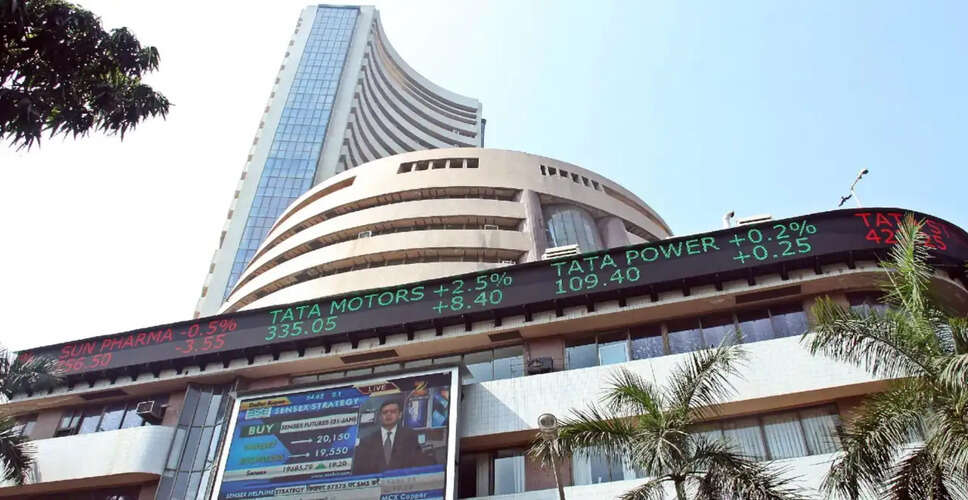
On Monday, the Indian stock markets experienced notable declines, erasing earlier gains and marking the second consecutive day of losses. The Sensex fell by 508.40 points, or 0.68%, closing at 74,267.34, while the Nifty dropped 165.15 points, or 0.70%, to finish at 23,382.60. The IT sector emerged as the top performer, gaining over 2.55%, whereas the FMCG sector suffered the most, declining by 2.25%.
Factors Contributing to Market Decline
What led to Stock Markets fall?
US-Iran Conflict: Tensions escalated between the US and Iran as military strikes were exchanged following failed negotiations. The US targeted Iranian radar and drone control sites after Iran shot down an American MQ-1 Predator drone. In retaliation, Iran struck a US airbase, claiming it was involved in the attacks.
Crude Oil Prices: Crude oil prices surged over 2%, with Brent Crude exceeding $93 per barrel and WTI Crude nearing $90 per barrel, driven by Israel's military actions in Lebanon and rising fears of further conflicts.
Foreign Investor Withdrawal: Foreign investors continued to withdraw from the Indian stock market, selling equities worth Rs 21,105.86 crore on Friday, as reported by NSE data.
Expert Insights
What Markets experts say?
Vinod Nair, Head of Research at Geojit Investments Limited, commented, "The recent US military actions and escalating tensions between Israel and Lebanon have increased selling pressure in equity markets, reflecting a rise in geopolitical uncertainty and a shift towards a risk-averse approach. However, as the conflict enters its fourth month, there is growing anticipation for potential diplomatic progress soon." He also noted, "On the domestic front, the revival of India–U.S. trade discussions, particularly regarding an interim trade agreement, could positively influence market sentiment. The Nifty Mid and Smallcap indices underperformed as investors gravitated towards better-valued large-cap stocks, seeking stability amid global uncertainties. Looking ahead, upcoming RBI policy decisions and GDP data releases will be crucial domestic indicators to watch for further market direction."